
Running a one-person business is equal parts thrilling and terrifying. If you've ever stared at your to-do list wondering how on earth you're supposed to do all of this alone, you're in good company. There are solopreneur tips that actually work, and they don't require you to clone yourself or survive on three hours of sleep. Whether you're just getting started or hitting a frustrating plateau, the right strategies can make all the difference in building a successful solopreneur business. This post is your no-fluff guide to scaling smarter, protecting your energy, and building a business that works for you, not the other way around.
Why Scaling Alone Feels So Overwhelming at First
When you're running a business solo, you're not just the CEO, you're also the marketer, the accountant, the customer service rep, and the strategist. The mental load of wearing every hat simultaneously is genuinely exhausting, and it's one of the main reasons solopreneurs hit a wall early on. The problem isn't your work ethic or your idea; it's that nobody handed you a roadmap for managing everything at once.
That's exactly why finding the right success tips for solopreneur growth is so important: without a clear framework, it's easy to mistake staying busy for making progress. The good news is that overwhelm is a signal, not a stop sign. Once you start identifying where your time, energy, and systems are leaking, scaling starts to feel a whole lot less impossible.
RELATED: What’s the Difference Between Growth & Scaling in Business?
Solopreneur Tips You Need to Hear to Actually Move the Needle
Knowing you need to grow your business and actually knowing how to grow it are two very different things. The strategies below get into the specific, tactical shifts that separate solopreneurs who stay stuck from those who scale with intention.
Build Your Offer Around a Problem, Not a Passion
Passion is a great starting point, but it's not what people pay for: they pay to have their problems solved. If your offer isn't clearly tied to a specific pain point your audience is actively trying to fix, you'll spend a lot of energy marketing to people who are mildly interested but never ready to buy.
One of the most overlooked marketing tips for solopreneurs is to lead with the transformation your client gets, not the process you love delivering. The most scalable offers are built around urgent, specific problems that have a measurable before-and-after.
Before building or refining your offer, ask yourself these three things:
Problem Specificity: The narrower your niche, the easier it is to speak directly to your ideal client and stand out from the noise.
Willingness to Pay: A passion project is fun, but a profitable offer solves a problem people are already spending money to fix.
Repeatability: The best offers can be packaged and delivered consistently without starting from scratch every time.
Develop a Growth Mindset to Push Through the Hard Plateaus

Every solopreneur hits plateau periods where nothing seems to be working, and the temptation to quit or pivot is very real. The difference between those who push through and those who stall out almost always comes down to mindset. A growth mindset means treating setbacks as data rather than failure, and staying curious when things aren't going according to plan. It also means being honest with yourself about the patterns keeping you stuck, which is uncomfortable but necessary.
Building a growth mindset is an active practice:
Regular Reflection: Scheduling time to review what's working and what isn't keeps you from running on autopilot for months at a time.
Learning as a Non-Negotiable: Committing to ongoing education, whether through books, podcasts, or coaching, keeps your thinking fresh and your strategies sharp.
Reframing Failure: Every "failed" launch or slow month contains useful information about your audience, your offer, or your messaging.
Protect Your Time With a Weekly Operating Rhythm
Without a boss setting your schedule, your calendar can quickly turn into a free-for-all. A repeatable structure for how you spend your time gives your business the consistency it needs to grow without burning you out.
One of the most practical time management tips for solopreneurs is to theme your days by type of work, so you're not switching between deep creative work, admin tasks, and client calls all in the same afternoon. The cognitive cost of context-switching is real, and batching similar tasks can dramatically increase your output.
Designing your operating rhythm doesn't have to be complicated. Start with these three building blocks:
Deep Work Blocks: Protect large chunks of uninterrupted time for the high-value work that actually moves your business forward.
Admin Batching: Group emails, invoices, and scheduling into one or two designated windows so they don't bleed into your whole day.
Weekly Review: A short Friday or Sunday session to plan the week saves you from spending Monday morning figuring out where to start.
Automate the Admin Before It Swallows Your Day
Admin tasks are the silent killers of solopreneur productivity. Answering the same onboarding emails, chasing invoices, and manually scheduling calls might each take only a few minutes, but they add up fast, and none of them generate revenue. The earlier you build automation into your business, the more of your limited hours you free up for the work that actually matters.
A few high-impact areas to automate first:
Client Onboarding: Use templates and automated workflows to handle contracts, welcome emails, and intake forms without manual effort.
Invoicing and Payment Collection: Tools like HoneyBook, Dubsado, or QuickBooks can automate the entire billing cycle, so you're not chasing down payments manually.
Scheduling: A booking tool like Calendly eliminates the back-and-forth of finding a meeting time, which is a bigger time drain than most people realize.
Automation isn't about removing the human touch from your business; it's about redirecting your human energy toward the parts of your business that actually need it.
RELATED: How Digitizing Customer Experience Can Fuel Business Growth
Create Boundaries That Protect Your Energy (Before Burnout Forces Them)
Solopreneurs are especially vulnerable to burnout because the line between work and life is constantly blurry. When your business lives on your laptop and your phone, there's always more to do, and without clear limits, "just one more task" can stretch into midnight. Implementing the right productivity tips for solopreneurs always starts with protecting the energy you need to show up at your best.
Healthy boundaries look different for everyone, but here's a solid starting framework:
Working Hours: Define when you start and stop each day, and communicate those hours to clients so expectations are set from the beginning.
Response Time Policies: Setting a standard for how quickly you reply to messages helps prevent the anxiety of feeling like you need to be always on.
Off-Limit Time: Designate at least one day or evening per week as non-negotiably work-free to let your brain actually recover.
RELATED: 5 Small Business Owner Burnout Signs & How to Avoid Them
Build a Community So the Isolation Doesn't Stall You

Solo doesn't have to mean isolated. One of the most underrated challenges of solopreneurship is how lonely it can get, and that loneliness has real consequences for your motivation, creativity, and decision-making. When you're surrounded by people who understand the unique pressures of running a one-person business, you're far less likely to talk yourself out of big moves or sit with problems longer than necessary. Community is also one of the fastest ways to learn because other people's wins and mistakes significantly compress your own learning curve.
Finding your people doesn't require attending awkward networking events. Try these routes instead:
Online Communities: Niche-specific Facebook groups, Slack communities, and forums are full of solopreneurs at every stage, willing to share and support one another.
Mastermind Groups: Small, intentional groups with regular check-ins create accountability and a safe space to think out loud about your biggest challenges.
Local Meetups: In-person connections with other entrepreneurs in your area build a support network you can lean on outside the digital world.
RELATED: Customer Community: What It Is and Why You Need to Build One
Treat Networking Like a Business Asset, Not a Chore
Most people think of networking as uncomfortable small talk at events they'd rather skip, but when done right, it's one of the highest-leverage activities a solopreneur can do. The best networking tips for solopreneurs center around being genuinely curious and consistently generous, rather than showing up with an agenda. Your network is essentially your business development pipeline, referral engine, and advisory board, all in one. The relationships you invest in now will open doors, fill your client roster, and give you a competitive edge that no amount of paid advertising can replicate.
The key to networking that doesn't feel gross is to start small and focus on quality:
Strategic Relationship Building: Identify a handful of people in adjacent industries who serve your ideal client, and invest in those relationships consistently over time.
Value-First Outreach: When you reach out to someone new, lead with how you can be helpful rather than what you need from them.
Follow-Through: Most networking falls flat not from lack of conversation but from lack of follow-up — a simple check-in message can turn a one-time meeting into a lasting connection.
Start Scaling Smarter With Thrill ’Em + Thrive
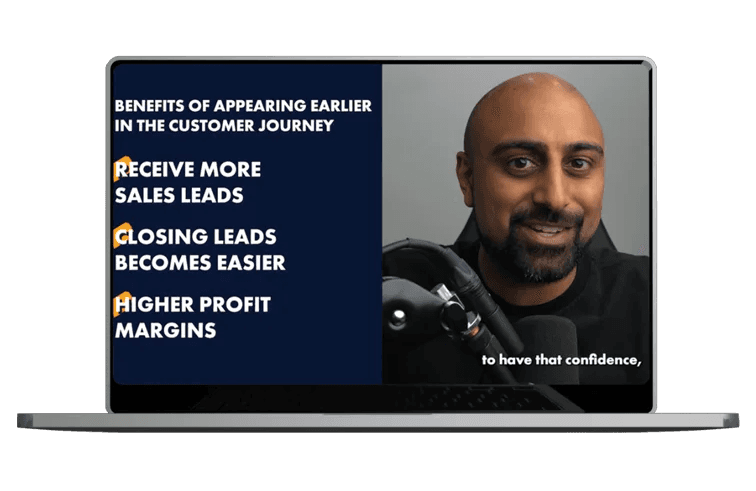
Scaling gets a lot easier when you stop guessing and start following a framework that actually makes sense. The Thrill ’Em + Thrive business course focuses on understanding who your best customers are, what they truly care about, and how to create experiences that naturally attract them. Instead of chasing every opportunity, you learn how to build something that pulls the right people.
It also shifts how you think about growth: from doing more work to creating more impact with what you already have. By aligning your offer, your messaging, and your customer experience, you’re not just growing, you’re growing in a way that feels sustainable and intentional.
Final Words on Solopreneur Success Tips
At the end of the day, the tips that matter most aren’t about doing everything; they’re about doing what actually moves the needle. When you build your offer around real problems, protect your time and energy, stay consistent, and surround yourself with the right people, growth starts to feel less overwhelming and more doable.
If you’re ready to take things to the next level with real structure and clarity, investing in business growth coaching can make all the difference. Thrill ’Em + Thrive is a great place to start if you want guidance that actually sticks.

Feb 13, 2026

Business strategy doesn't have to be boring! Your business has the power to spread joy and change the world! Let's unleash your potential - we got this!