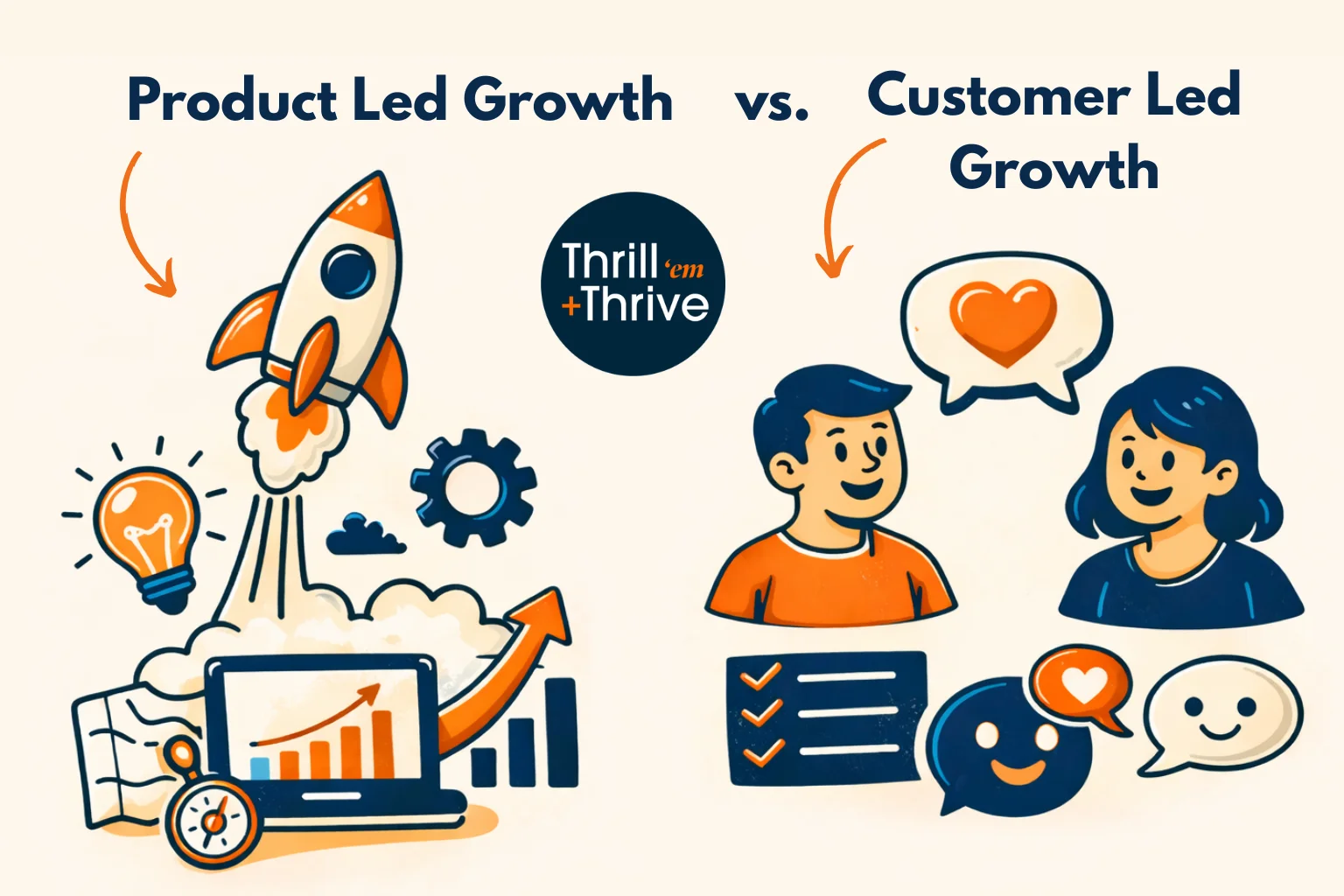
Most businesses are stuck in a weird debate: should you focus on building a better product, or focus more on your customers? The whole conversation around product led growth vs customer led growth makes it seem like you have to pick a side, but that’s where things start to fall apart.
The reality is, growth isn’t about choosing one over the other; it’s about understanding how each works and when to lean into it. In this post, we’ll break down PLG and CLG in a simple, practical way so you can use both to grow smarter, not harder.
Why Most Businesses Get Growth Completely Wrong
Most businesses think growth is about tactics, like better ads, more features, and faster launches. But they miss the bigger picture. They either obsess over building the “perfect product” or bend over backward trying to please every customer request, without realizing that both extremes can hurt them.
That’s where the confusion around customer led growth vs product led growth comes in. One side focuses too much on the product, assuming it will sell itself. The other focuses too much on the customer, risking a scattered and unfocused experience. The real problem isn’t choosing one: it’s failing to balance both in a way that actually creates momentum.
Product Led Growth vs Customer Led Growth: Breaking It Down Simply
To understand how these approaches actually work, you need to look at how each one drives growth in its own way. One leans heavily on the product experience itself, while the other builds growth through relationships, feedback, and trust. The differences become clear once you break down how each approach operates at its core.
What is Product Led Growth (PLG)?
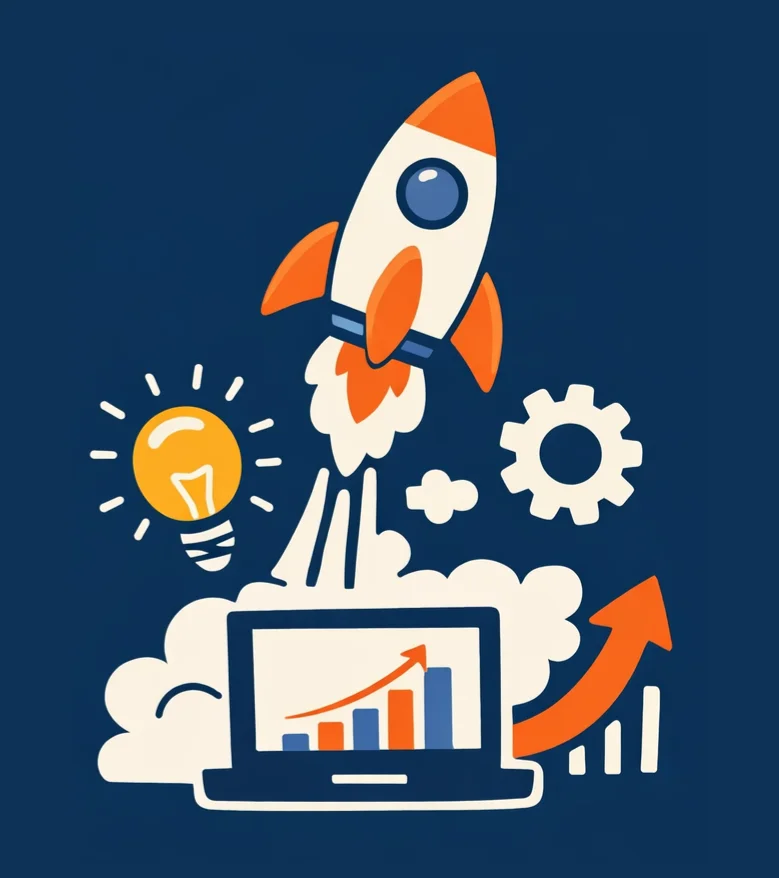
Product-led growth is exactly what it sounds like: the product is the main driver of growth. Instead of relying heavily on sales teams or lengthy onboarding processes, the product itself handles selling, onboarding, and retention.
Think about tools or apps you’ve used where you didn’t need a demo, a call, or a tutorial; you just signed up and figured it out. That’s PLG in action. According to Segment8, product-led growth adoption jumped from 45% to 55% in just three years, reflecting a rapid industry-wide pivot toward product-driven strategies.
At its core, PLG focuses on creating a product experience that feels effortless and instantly valuable. Users should be able to jump in and quickly understand what they’re getting and why it matters.
Here’s what typically defines this approach:
Ease of Use: The product is intuitive, so users don’t need guidance to get started.
Immediate Value: Users experience a benefit within minutes, not hours or days.
Self-Service Growth: People can explore, upgrade, and expand usage on their own.
This is why conversations around product led growth vs customer success often come up: PLG shifts a lot of responsibility from people to the product itself.
But while PLG can scale quickly, it comes with trade-offs. It assumes your product is strong enough to carry the entire experience. If it’s not, users drop off just as quickly as they came in.
At the end of the day, PLG works best when your product is simple, valuable, and easy to adopt without friction.
What is Customer Led Growth (CLG)?
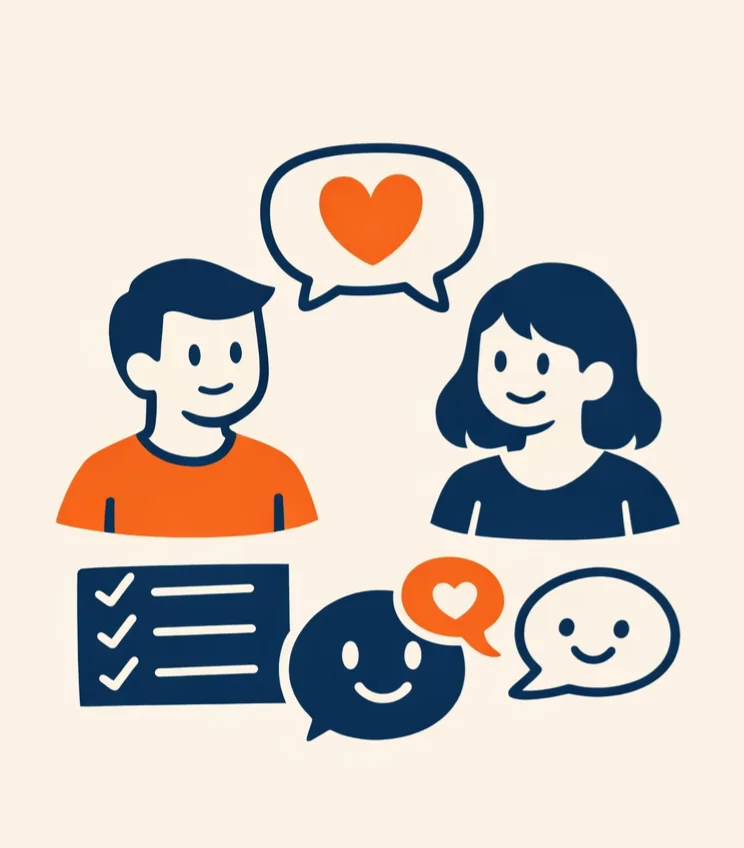
Customer-led growth flips the focus. Instead of relying on the product to lead, it puts the customer at the center of everything: from product decisions to messaging to support.
It’s about deeply understanding what people want, what they struggle with, and what actually matters to them, and then building around that.
This approach is built on strong feedback loops and real conversations. Businesses don’t just guess what customers need; they actively listen and adapt.
Here’s what that looks like in practice:
Continuous Feedback: Regular input from customers shapes decisions and direction.
Relationship Focus: Businesses invest in trust, communication, and long-term loyalty.
Iterative Improvement: Products evolve based on real-world use and customer needs.
CLG tends to create stronger emotional connections with customers because people feel heard and valued. That often leads to higher retention and more word-of-mouth growth.
But there’s a downside if it’s not managed well. Too much focus on individual feedback can lead to over-customization, slower decision-making, and a loss of clear product direction.
In short, CLG is powerful, but only when a clear vision guides it.
How to Combine Product and Customer Led Growth for Maximum Impact
The real magic happens when you stop treating these approaches like opposites and start using them together. It’s not about picking one; it’s about knowing how to blend them in a way that actually creates momentum.
When you bring both sides together, you create a system that not only attracts users but keeps them coming back and talking about you.
Step 1: Build Something Easy to Love
If your product is confusing, slow, or overwhelming, nothing else matters. You can have the best marketing and customer insights in the world, but if the experience falls flat, growth stops.
Start by making the product feel natural and enjoyable to use:
Simple Onboarding: Users should understand how to use your product within minutes.
Clear Value: The benefit should be obvious right away.
Frictionless Design: Every step should feel smooth and intentional.
When people enjoy using your product, they don’t just stick around; they invite others in. That’s where real momentum begins.
Step 2: Listen Like Crazy
Once people are using your product, your job shifts from building to listening. The fastest way to improve is to pay attention to what users are actually saying and doing.
You want to create systems that capture real feedback consistently:
Direct Feedback: Use surveys, messages, and conversations to understand real experiences.
Behavioral Insights: Watch how users interact with your product, not just what they say.
Support Signals: Pay attention to repeated questions or frustrations.
Listening isn’t a one-time task; it’s an ongoing habit. The more you listen, the more clarity you gain.
Step 3: Turn Feedback Into Better Experiences
Collecting feedback is useless if you don’t act on it. The real value comes from translating insights into meaningful improvements.
Focus on making changes that actually improve the user experience:
Prioritized Updates: Fix the issues that impact the most users first.
Experience Improvements: Simplify confusing steps or features.
Feature Refinement: Adjust what already exists instead of constantly adding more.
When users see their feedback reflected in the product, it builds trust and loyalty. They feel like they’re part of the journey, not just along for the ride.
RELATED: What Is Customer Experience Optimization?
Step 4: Create a Loop That Never Stops
The goal isn’t to “fix” your product once; it’s to build a system that continuously improves. Growth comes from momentum, not one-time wins.
You want to create a cycle that feeds itself:
Feedback Loop: Collect → analyze → improve → repeat.
Product Iteration: Continuously refine based on real usage.
Customer Engagement: Keep users involved in the process.
When this loop is working, growth becomes more predictable and more sustainable.
Strengthen Your Growth Engine with Thrill ’Em + Thrive
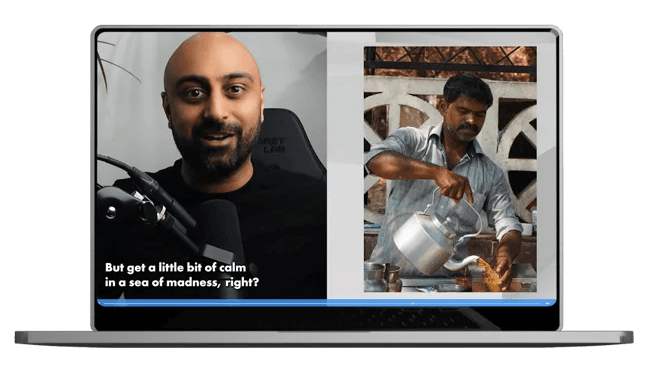
The biggest mistake people make is thinking growth is purely strategic. But strategy alone doesn’t create loyalty; experience does. Thrill ’Em + Thrive takes everything you’ve just read and turns it into a human-first system that connects product quality with real emotional impact. It’s not just about building something useful; it’s about creating something people actually care about and remember.
Define Your Brand Core
Everything starts with clarity. When you understand who you are, what you stand for, and how you show up, it becomes much easier to attract the right people. This foundation guides both your product decisions and your customer interactions.
Turn Empathy Into Action
It’s one thing to understand your customers; it’s another to actually do something with that understanding. Thrill ’Em + Thrive teaches you how to turn insights into meaningful changes that improve the experience.
Optimize Product Experience
Your product should feel like it was built for the people using it. That means simplifying where needed, improving where it matters, and constantly refining the experience to make it better.
Align Growth Strategies
Instead of choosing between approaches, you learn how to align them. The product works seamlessly, and the customer feels understood; that’s where real growth happens.
Final Words on Choosing the Right Growth Strategy
If you’ve made it this far, you probably realize this isn’t about picking sides. Product-led growth helps you scale. Customer-led growth helps you connect. But when you combine both, you create something far more powerful: momentum that actually lasts.
If you want to stop guessing and start building a business that truly connects and grows, Thrill ’Em + Thrive gives you the roadmap to do it. Take the next step and invest in the course to start building a growth strategy that actually works.
FAQs About Customer vs Product Led Growth
How do I know which approach is right for my business?
It depends on your product, your audience, and your resources. If your product is simple and easy to adopt, lean into product-driven strategies. But if your customers need guidance or customization, focus more on relationships.
Does one strategy lead to faster growth than the other?
Product-focused approaches often drive faster initial growth by removing friction. However, customer-focused approaches tend to create more sustainable, long-term growth through loyalty and retention.
Which strategy works best for niche audiences?
Customer-focused approaches usually work better for niche markets because they require a deeper understanding and personalization. These audiences often value relationships and tailored experiences more than speed.
Can small businesses use both approaches effectively?
Yes, and they should. Even with limited resources, small businesses can create a simple product experience while staying close to their customers through direct communication.
How do I start shifting my current approach?
Start small by identifying where your current strategy falls short, whether in product experience or customer understanding. Then make incremental changes that bring both sides closer together over time.