What if the real growth in your business isn’t hiding in new leads, but in the customers you already have? Too many small business owners chase fresh sales while quietly losing the people who already said “yes,” creating a cycle that feels busy but never truly builds momentum. That’s where customer retention strategies for small businesses come in: they shift your focus from constant chasing to creating experiences people actually want to return to.
When you start prioritizing retention, everything changes: your marketing works harder, your revenue becomes more predictable, and your customers become advocates rather than one-time buyers. This guide breaks down exactly what customer retention is, how to build a system that fits your business, and how to keep your best customers coming back again and again.
What Is Customer Retention Anyways?
Customer retention is all about keeping your existing customers engaged, satisfied, and coming back for more over time. It’s not just about getting someone to make a second purchase; it’s about building a relationship where your business becomes their go-to choice. Strong retention means customers don’t just buy once and disappear; they return, spend more, and trust your brand more deeply.
At its core, retention is driven by consistent experiences, meaningful interactions, and a clear sense of value. It’s the result of showing up for your customers after the sale, through follow-ups, personalization, and thoughtful service. When done right, customer retention turns one-time buyers into long-term supporters who fuel sustainable growth.
Acquisition vs. Retention: Where Should Your Budget Go?
Retention is typically five to seven times cheaper than acquisition, yet most small-business marketing budgets skew heavily toward finding new customers. Once you have an existing customer base, a retention-first mindset gives you a much stronger return on every dollar and hour you invest. That does not mean ignoring acquisition. It means not neglecting the people who already trust you enough to buy from you. Build the loyalty foundation first, then let growth compound on top of it.
Why Customer Retention Is the Growth Lever Small Businesses Often Overlook
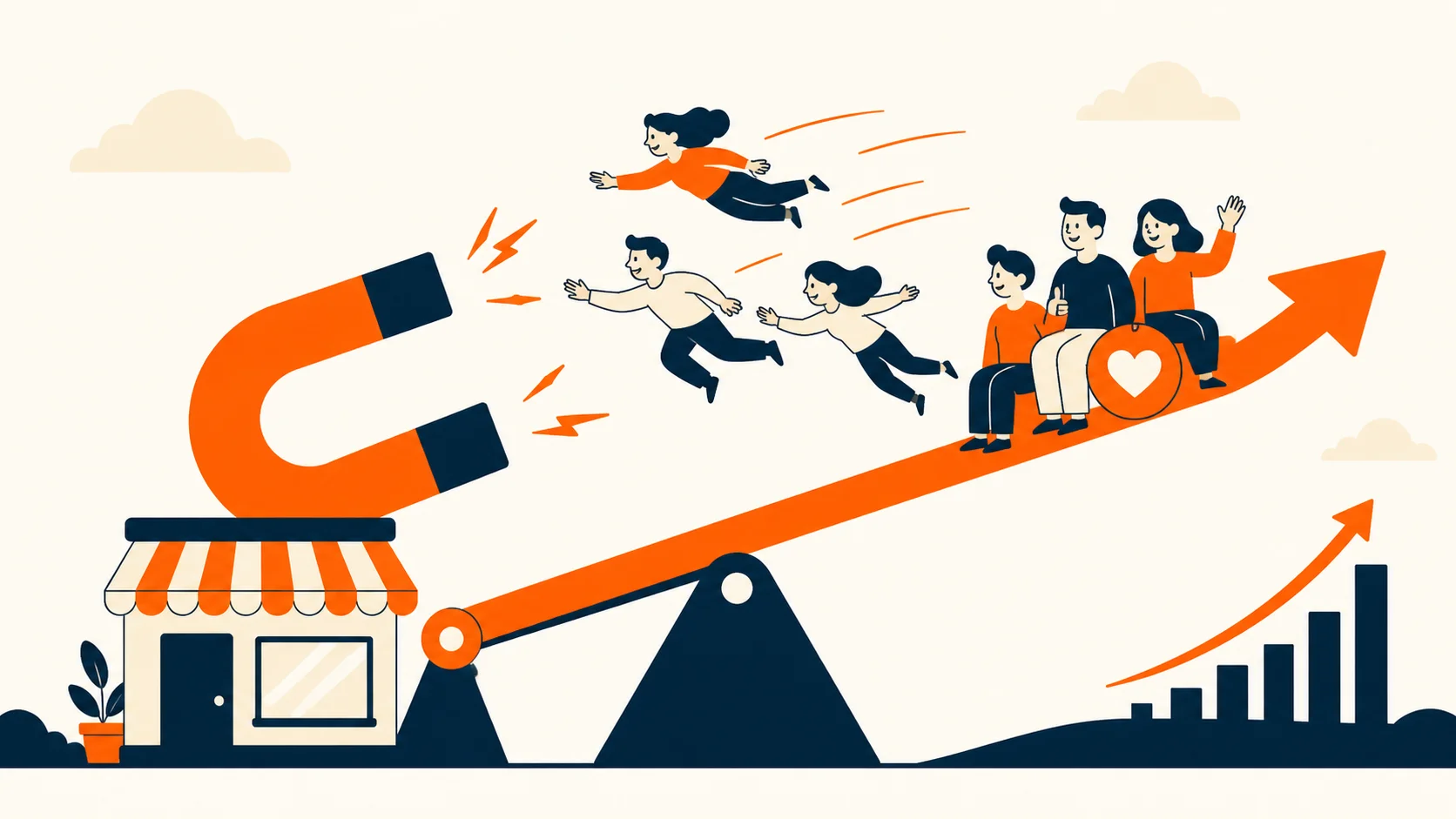
Most small business owners naturally focus on getting new customers; it feels like progress, momentum, and growth all rolled into one. But there’s a hidden problem: if customers aren’t coming back, you’re constantly starting from scratch. It’s like pouring water into a bucket with a leak; you’re working hard, but the results never quite stack up. This is why retention is such a powerful (and often overlooked) growth lever.
According to CustomerGauge, customer retention rates average just 72.5% across industries, meaning roughly 1 in 4 customers are lost without a solid retention strategy in place. For a small business with a tight customer base, losing 25% of its people every year is not a slow leak. It is a serious threat to survival and growth.
When you shift your attention to retaining your existing customers, everything becomes more efficient and sustainable. Loyal customers spend more, refer others, and require far less effort to convert compared to new ones. Instead of chasing growth, you start compounding it, and that’s where small businesses can truly pull ahead.
5 Proven Customer Retention Strategies for Small Businesses
Retention doesn’t happen by accident; it’s built through intentional systems that strengthen relationships at every stage of the customer journey. The strategies ahead focus on understanding your best customers, removing friction, and creating experiences that keep people coming back.
Identify Your High-Value Customers First
Not all customers contribute equally, and recognizing who drives the most value is the first step toward smarter retention. By analyzing purchase frequency, average spend, and longevity, you can pinpoint the group that fuels the majority of your revenue. Once identified, you can prioritize your time and energy on nurturing these relationships rather than treating every customer the same.
Map Where Customers Are Dropping Off
Every customer journey has moments when people lose interest or drop off, and those gaps often go unnoticed. By mapping out each touchpoint, from first purchase to repeat engagement, you can identify where momentum fades. These drop-off points reveal exactly where your experience needs strengthening to keep customers engaged.
Build a Simple, Consistent Follow-Up Cadence
Consistency is what transforms a one-time interaction into an ongoing relationship. A structured follow-up system, like a thank-you message, a check-in, and a re-engagement touchpoint, keeps your business top of mind without feeling overwhelming. When done right, it shows customers they’re valued beyond the initial sale.
Create a Feedback Loop That Actually Closes
Collecting feedback is only half the equation; acting on it is what builds trust. When customers share their thoughts, they’re giving you a roadmap to improve your experience and strengthen loyalty. Closing the loop by implementing changes and communicating them back to customers shows them that their voice truly matters.
Launch a Loyalty Program That Feels Personal
Loyalty programs work best when they feel human, not transactional. Instead of complex systems, simple gestures like exclusive perks, early access, or personalized rewards can make customers feel recognized. When people feel appreciated, they’re far more likely to stay, return, and advocate for your business.
RELATED: What Drives Customer Loyalty? Strategies to Implement
The Role of Personalization in Customer Retention
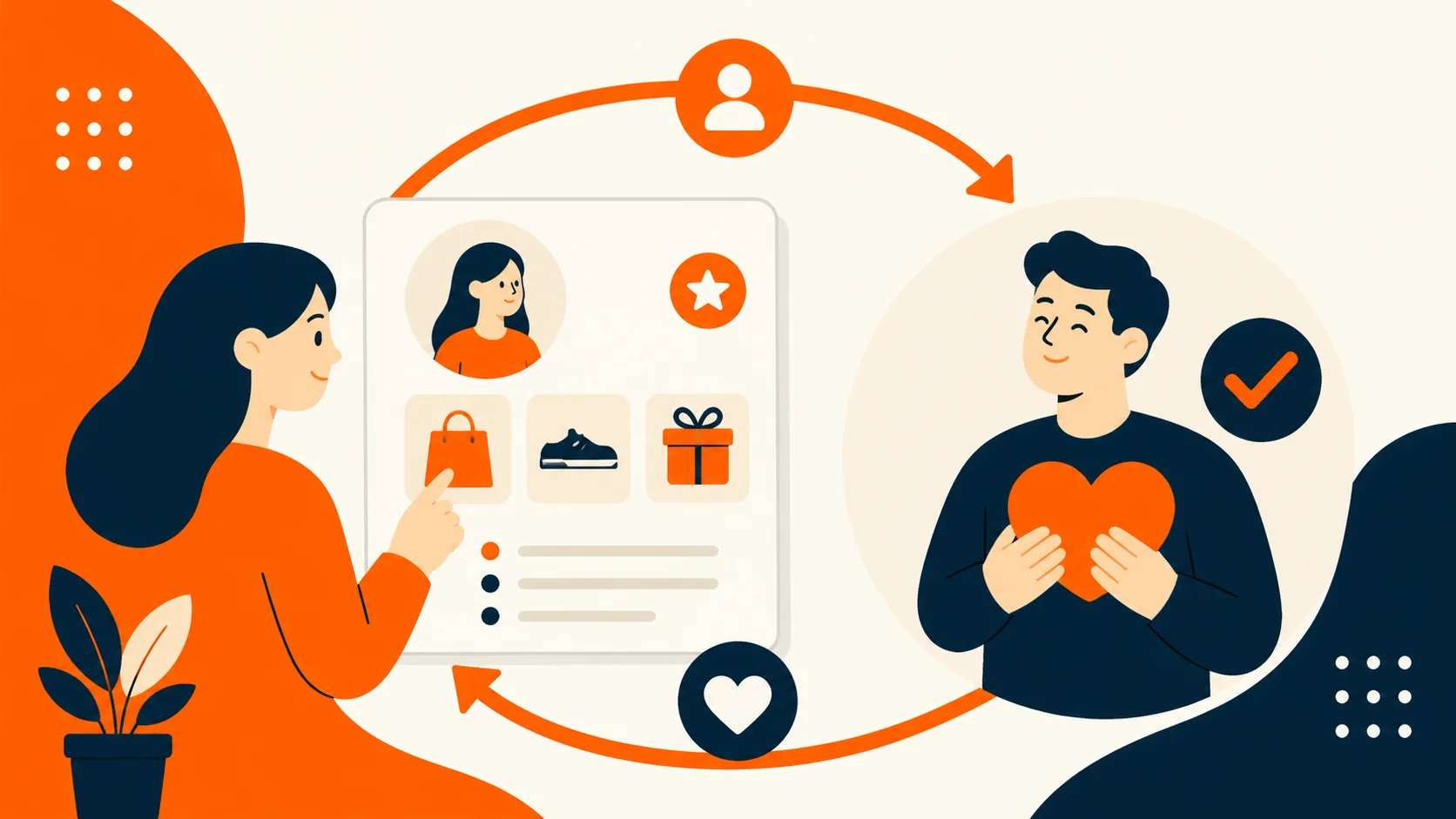
Personalization is where small businesses hold a genuine competitive edge, one that large brands spend millions trying to manufacture through technology. For a small business, those emotional connections are not built through algorithms. They are built because you actually know your customers.
Personalization in practice means three things:
Communication: Using someone's name, referencing their last purchase, and acknowledging their history with you rather than sending the same email blast to your entire list.
Offers: If a customer consistently buys products or services in a particular category, send them a relevant deal rather than a generic promotion.
Service Recovery: When something goes wrong, respond with context. Knowing that a customer has been with you for two years and has always had a positive experience should shape how you address their complaint, not a script.
The data foundation for all of this is good customer profiling. When you know who your customers are, what they value, and how they prefer to interact, personalization stops feeling like extra work and starts feeling like your natural way of doing business.
How to Measure Customer Retention (And What the Numbers Are Telling You)
Measuring customer retention starts with choosing the right metrics and tracking them consistently, even with simple tools.
Here are the five stats every small business should know:
Customer Retention Rate (CRR): The core metric. Formula: ((Customers at end of period − New customers acquired) ÷ Customers at start of period) × 100. It shows how effectively your business keeps customers over time, making it a key indicator of long-term growth and loyalty.
Churn Rate: The flip side of CRR. What percentage of your customers are leaving within a given period? High churn often signals a gap in your follow-up, product quality, or experience consistency.
Repeat Purchase Rate: For product-based businesses, this indicates how often customers return to buy more. A rising repeat purchase rate is a strong signal that your retention efforts are working.
Customer Lifetime Value (CLV): The total revenue a customer generates across their entire relationship with your business. Growing CLV means your retention strategy is converting one-time buyers into long-term relationships.
Net Promoter Score (NPS): A simple survey asking customers how likely they are to recommend you. NPS is an early warning system; it picks up loyalty erosion before churn actually shows up in your numbers.
You do not need sophisticated analytics software to track any of this. A spreadsheet or a basic CRM is enough. The goal is to establish a baseline first, then measure progress over time because you cannot improve what you have never measured.
Retain Your Customers With This Human-First Approach
Retention gets a whole lot easier when you stop thinking like a marketer and start thinking like a human. People don’t stick around because of perfect funnels; they stay because of how your business makes them feel at every interaction. A human-first approach means showing up with intention, creating meaningful moments, and building trust long after the first purchase. And that’s exactly what the Thrill 'Em + Thrive business course teaches. When you prioritize connection over transactions, your strategy starts to feel natural instead of forced.
To make this approach actionable and repeatable, focus on building it into how your business operates every day:
Human-Centered Communication: Learn how to craft authentic, personal messaging that feels natural and builds real relationships with your customers. The course shows you how to communicate in ways that increase trust, engagement, and long-term loyalty.
Consistent Experience Design: Discover how to create a seamless, reliable customer journey from first interaction to repeat purchase. You’ll be guided on structuring every touchpoint to build confidence and keep customers coming back.
Emotional Connection Moments: Master the art of creating memorable experiences that trigger positive emotions and deepen brand attachment. The course teaches you how to design small, impactful moments that turn customers into loyal advocates.
At the end of the day, customer retention strategies for small businesses come down to one simple truth: people come back to what feels good, easy, and meaningful. If you’re ready to take this further and build a business that truly stands out, enroll today! Let’s show you how to apply this human-first approach step by step, so you can grow with confidence, clarity, and real momentum.
Popular posts
Feb 13, 2026

Business strategy doesn't have to be boring! Your business has the power to spread joy and change the world! Let's unleash your potential - we got this!