Ever notice how the smallest moments can make or break your entire day? Maybe a barista spelled your name right for once. Maybe a company put you on hold for 45 painful minutes. Little things leave big impressions, and your customers feel the same way. Their experience with your business can decide whether they walk away, come back, or tell friends you’re amazing (or a disaster). That’s why enhancing customer experiences is so important. But what is customer experience optimization?
In this post, you’ll learn what CX optimization really is, why it matters, the most common mistakes businesses make, and 10 ways to start improving your customer experience today.
What Is Customer Experience Optimization?
Customer experience optimization is the intentional process of improving every interaction a customer has with your business, from the moment they first encounter your brand to the moment they receive support. It’s about designing experiences that feel smooth, intuitive, and human, so customers walk away thinking, “That was surprisingly great.” When you optimize customer experiences, you’re not just fixing problems; you’re creating emotional connections, making the journey easier, and keeping customers excited to come back.
Why is CX Optimization So Important?
Great experiences aren’t a luxury anymore, they’re the expectation. Customers leave at the first sign of frustration, and they reward brands that treat them well with repeat purchases, loyalty, and glowing recommendations. This is where customer optimization shines, because improving the experience directly impacts revenue, retention, and reputation. Businesses that excel at CX consistently outperform competitors by making customers feel valued, understood, and supported.
Here’s why CX optimization matters so much:
Higher Satisfaction: People appreciate interactions that feel smooth and stress‑free.
Stronger Loyalty: A positive experience makes customers want to return again and again.
More Conversions: Removing friction makes it easier for customers to buy.
When you improve the overall journey, customers naturally talk about you, recommend you, and choose you over the competition. CX optimization isn’t just good business; it’s a growth engine!
Common Mistakes That Push Customers Away
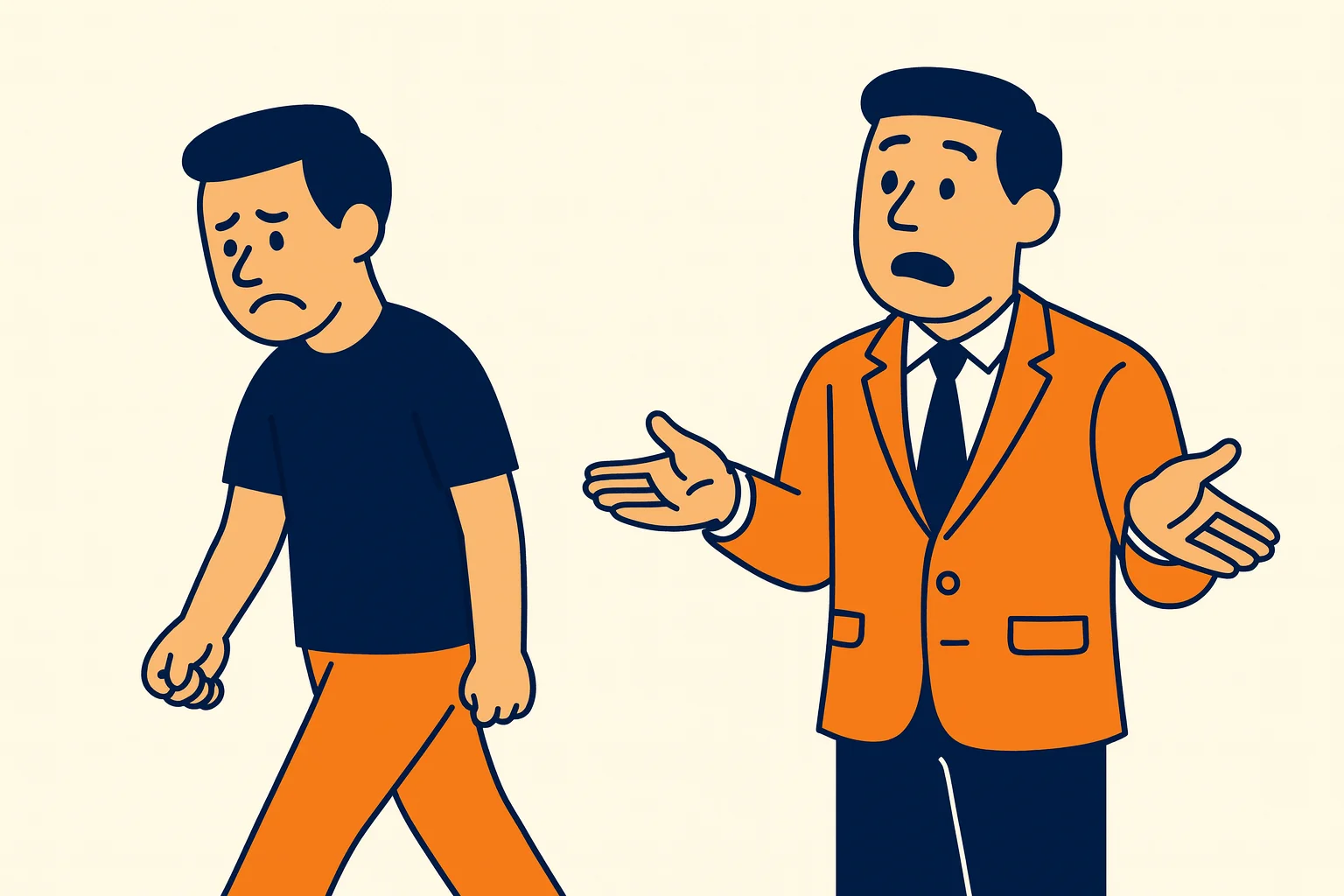
Most businesses don’t lose customers because of huge failures; they lose them because of tiny, repeated frustrations. Even when you’re trying your best, these mistakes make your brand forgettable or even irritating.
Common CX mistakes include:
Slow Response Times: Delays signal that customers aren’t a priority.
Confusing Navigation: If people can’t find what they need, they leave.
Inconsistent Messaging: Mixed signals make a brand feel unreliable.
Poor Mobile Experience: Customers expect everything to work effortlessly on their phone.
Lack of Personalization: Generic interactions feel cold and transactional.
Too Many Steps: Complicated processes make customers give up.
Avoiding these mistakes directly supports your ability to optimize customer journey touchpoints. When things feel cohesive and straightforward, customers naturally gravitate toward you. A little intention goes a long way.
Here Are 10 Steps to Improve Customer Experiences in Your Business
These 10 steps are simple, practical actions you can begin implementing for better customer experiences. Think of them as your starter kit for creating experiences that flow smoothly from one touchpoint to the next, and keep people coming back for more.
Step 1: Use Tools to Understand Customer Behavior
The first step to improving experiences is understanding what your customers are actually doing, not just what you think they’re doing. Tools such as heatmaps, analytics dashboards, and behavior tracking reveal where people click, hesitate, and drop off. These insights help you make smarter decisions instead of guessing, so your improvements actually solve real problems rather than imagined ones.
Step 2: Build Clear Customer Personas
Clear customer personas help you tailor your message, product, and service in a way that feels personal and relevant. This is where customer segmentation research becomes incredibly powerful, as you group customers by shared traits, goals, frustrations, preferences, and behaviors. With defined personas, your team can create consistent experiences that feel designed for a specific person, not for the general public.
Step 3: Identify Customer Pain Points Early
Every business has friction points, but successful businesses find and fix them quickly. Review support tickets, behavioral patterns, drop‑off points, and customer questions to identify where confusion or frustration consistently arises. The sooner you identify these pain points, the easier they are to resolve, and every fix contributes to a smoother, more intuitive experience.
Step 4: Map the Customer Journey
Mapping the customer journey helps you visualize every step a customer takes, from discovery to purchase to support. This map serves as your guide to creating flow, consistency, and structure. When you know exactly where customers feel excited, stuck, or confused, you can adjust those touchpoints intentionally. Journey mapping replaces assumptions with clarity and gives your team a shared understanding of what your customers go through.
Step 5: Personalize Interactions Naturally

People want to feel like they matter, not like another transaction. Personalization isn’t about stalking customers; it’s about making interactions feel relevant, friendly, and thoughtful. This can be as simple as remembering preferences, suggesting helpful resources, or welcoming people into a supportive customer community. Natural, human personalization makes customers feel seen and appreciated.
Step 6: Use an Omnichannel Approach Everywhere
Customers jump between devices and platforms constantly, from Instagram to your website to email to live chat. An omnichannel strategy means keeping the experience consistent across all touchpoints. When conversations, preferences, and history follow the customer wherever they go, the entire experience feels effortless, unified, and trustworthy.
Step 7: Ensure Mobile Is Fast and Seamless
Most customers browse, research, and buy on their phones. If your mobile experience is slow, confusing, or clunky, you lose sales instantly. Optimizing mobile means faster load times, legible text, simple navigation, and easy-to-tap buttons. A seamless mobile experience shows customers you’re paying attention to how they actually live and shop.
Step 8: Leverage AI + Automation for Quick Support
AI tools can drastically reduce frustration by answering questions instantly, routing inquiries intelligently, and personalizing support quickly. When you use AI for any form of business development, it streamlines operations and frees your human team to focus on high‑touch interactions that matter most. Automation and AI ensure customers get timely, accurate assistance without waiting endlessly in a queue.
Step 9: Collect Feedback and Act on It
The easiest way to know what customers want? Ask them. Use surveys, feedback requests, interviews, and call transcripts to gather real input directly from your audience. But the magic happens when you act on that feedback; when customers see changes based on what they said, their trust grows. Listening is good; following through is unforgettable.
Step 10: Track Metrics and Continuously Improve
Customer experience isn’t something you “finish.” It’s something you refine again and again. Tracking metrics such as NPS, CSAT, retention rate, and churn helps you identify what drives customer loyalty and what doesn’t. These insights help you make smart improvements that keep your experience fresh, relevant, and aligned with customer needs over time.
Use Thrill ’Em + Thrive to Build Experiences People Love

Thrill ’Em + Thrive is built on a simple truth: when you put humans first, your business grows naturally. This approach blends empathy, creativity, and strategic clarity, making it easier for you to craft experiences that feel authentic rather than forced. As your business strategy coach, I help you understand different customer types to tailor your product to their needs, and how to shape every interaction so it feels meaningful, memorable, and aligned with what your customers truly care about.
The Thrill ’Em + Thrive framework helps you spot opportunities you’re currently missing, strengthen your product fit, and create messaging that resonates emotionally with the people you want to serve. It also gives you tools to refine your positioning, improve your service delivery, and build a business that feels joyful rather than overwhelming. This business course isn’t just about tactics; it’s about building experiences that make people fall in love with what you do.
Conclusion: So, What Is Customer Experience Optimization and Why Does It Matter?
Ultimately, customer experience optimization is about making people feel cared for, understood, and supported from the moment they encounter your brand. When you build an optimized customer experience, you create a business that’s easier to run, more fun to grow, and far more magnetic to the customers you want most. It’s about removing friction, adding humanity, and giving people a reason to choose you again and again.
If you’re ready to create experiences people rave about, and finally grow your business with confidence, enroll in Thrill ’Em + Thrive today and get the coaching, clarity, and tools you need to level up once and for all!