Ever wonder why some brands have customers who practically cheerlead for them, while others can barely get people to come back a second time? Spoiler: it’s not luck, magic, or a secret handshake. It’s a real strategy, and understanding what drives customer loyalty is the difference between constantly chasing new buyers and building a fanbase that sticks around for years. When you know what keeps people coming back, you stop guessing and start creating experiences customers genuinely want more of.
In this blog, you’ll learn what customer loyalty really is, what influences it, and how to intentionally build a customer community with strategies that feel human, meaningful, and unforgettable.
What is Customer Loyalty? Understanding the Basics
Customer loyalty is the long-term relationship a customer chooses to maintain with a brand because they trust it, feel good about the experience, and consistently receive value that makes returning feel natural. It’s not just about buying repeatedly; it’s about preference. Loyal customers don’t just pick you by accident; they like you on purpose because your brand has earned their confidence over time.
Loyalty also shows up in different forms: returning to shop without hesitation, recommending your business to others, engaging with your content, and sticking with you even when competitors try to lure them away. It reflects a deeper bond that grows from familiarity, reliability, and positive past experiences. Ultimately, customer loyalty is one of the strongest indicators of a brand’s longevity, health, and potential for sustainable growth.
What Drives Customer Loyalty Nowadays?
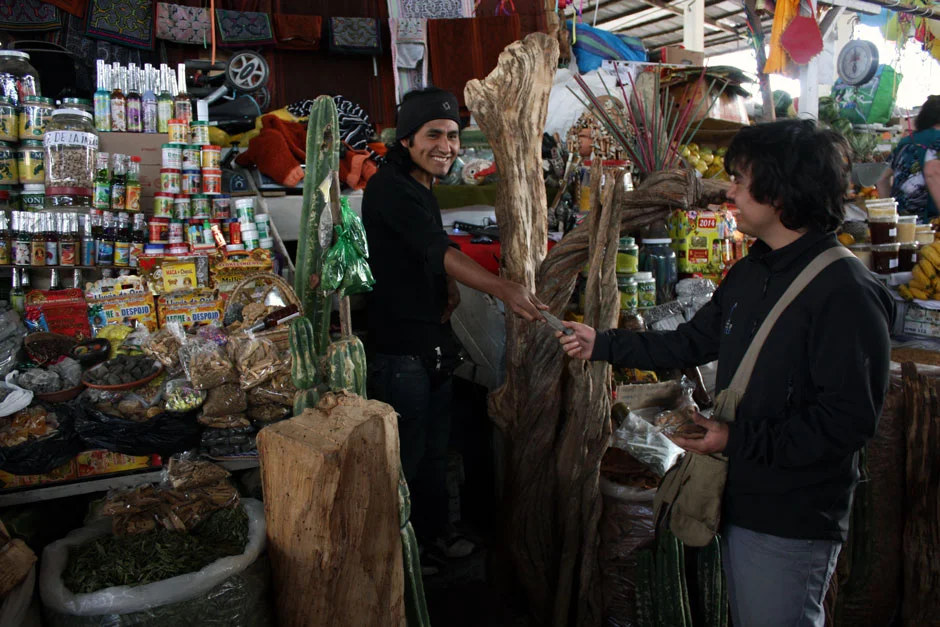
Customer expectations have evolved fast, and staying loyal is no longer just about liking a product; it’s about how the entire experience makes people feel. Here are the four major forces shaping loyalty today:
Consistency: Show Up the Same Way Every Time
Consistency is one of the strongest trust builders because it reassures customers that what they experience today will be just as good tomorrow. When a brand delivers the same quality, tone, and reliability across every touchpoint, customers stop worrying about surprises. This stability makes people feel safe choosing you again and again. Over time, that dependable pattern becomes a major reason they stay loyal.
Value: Give People More Than They Expected
Customers love feeling like they “got a win,” and standout value gives them exactly that. When you deliver more usefulness, care, or quality than expected, you create little moments of delight that stack up over time. This doesn’t always mean discounts; sometimes it’s an extra resource, fast support, or thoughtful packaging. Value signals that you’re thinking about the customer, not just the transaction, which naturally strengthens loyalty.
Ease: Remove Friction, Boost Happiness
Customers are busy, and anything that saves them time or effort instantly makes you more memorable. Whether it’s a seamless checkout, fast answers, or intuitive navigation, ease removes emotional friction from the experience. When something feels effortless, customers associate that positive feeling with your brand. And when they compare you to others later, you become the “less stressful” choice, which keeps them coming back.
Connection: Build Identity + Belonging
Connection is one of the strongest loyalty builders because people don’t just buy from brands, they join them. When customers feel like your business reflects their identity, values, or aspirations, they naturally lean in and stick around. Creating that sense of belonging can be as simple as fostering honest communication, celebrating shared beliefs, and making customers feel like they’re part of something bigger. When your brand becomes a place where people feel seen and understood, loyalty forms almost effortlessly.
B2C vs B2B Customer Loyalty: How They Differ
When you compare consumer behavior to business behavior, it becomes clear that the reasons people stay loyal differ. Both B2C and B2B customer loyalty rely on trust and consistency, but the motivations, expectations, and types of loyalty vary dramatically.
Decision-Making Complexity
B2C buying decisions are often emotional, fast, and made by a single person, while B2B decisions involve multiple stakeholders, multiple rounds of evaluation, and significant risk management. Because B2B purchases impact teams, budgets, and workflows, loyalty depends on a brand’s ability to deliver long-term solutions rather than quick wins. In contrast, B2C buyers often rely on feeling, familiarity, and convenience.
Trust-Building Factors
In B2B, trust is built through transparency, predictable performance, and strong communication because businesses need partners they can depend on. Mistakes carry higher stakes, so reliability is everything. Meanwhile, B2C trust grows through positive experiences, emotional alignment, and the feeling that a brand “gets” them.
Emotional vs Practical Drivers
B2C loyalty is often rooted in emotion, such as liking a brand’s vibe, identity, mission, or storytelling. B2B loyalty is heavily driven by performance metrics, ROI, integrations, and long-term value. While emotional connection still plays a role in B2B, it’s usually secondary to practical outcomes. Understanding which driver matters most helps brands tailor the way they earn and maintain loyalty.
Ways to Measure the Loyalty of Customers
Measuring loyalty isn’t just about looking at who comes back; it’s about understanding why they return, how they behave over time, and how strongly they feel connected to your brand. To get a complete picture, you need to track both emotional signals and behavioral signals. The clearer the data, the easier it becomes to spot patterns and make smarter decisions about your customer experience. Here are some stats to look at:
Net Promoter Score: This measures how likely customers are to recommend your brand to others and gives insight into emotional trust and satisfaction.
Repeat Purchase Rate: This shows how often customers come back, highlighting behaviors that reflect ongoing interest and brand reliance.
Customer Lifetime Value: This helps you understand the total revenue a customer brings in over their entire relationship with your brand.
Customer Satisfaction Score: This reveals how pleased customers are after specific interactions, pointing directly to strengths and weaknesses in your journey.
When you combine these customer loyalty research metrics, you get a clearer read on engagement, loyalty, and overall customer health. With consistent tracking, you’ll be able to identify what’s working and where to improve.
Actionable Strategies to Boost Customer Retention and Loyalty
If you want customers to stick around longer, it’s all about creating experiences that feel meaningful, personal, and worth returning to. Brands that focus on personalization, recognition, and responsiveness see the biggest gains in emotional connection and repeat behavior. These strategies form the foundation for a strong retention system:
Personalize Every Interaction
Customers respond to brands that treat them like individuals rather than account numbers. Small touches like acknowledging past purchases, tailoring recommendations, or greeting them by name make customers feel recognized and appreciated. When personalization becomes part of every interaction, not just marketing emails, it sends a message that your brand genuinely pays attention.
Reward Repeat Buyers
Rewarding customers creates a positive cycle where returning becomes fun, intentional, and rewarding. Whether you offer points, perks, VIP tiers, or surprise bonuses, incentives give customers a compelling reason to stay engaged. A well-designed rewards system also makes customers feel valued, strengthening their emotional connection and reducing the likelihood of leaving for a competitor.
Act on Customer Feedback
Listening is powerful, but acting is transformational. When customers see their feedback directly influence improvements, trust skyrockets. Using feedback to optimize your product not only enhances your offering but also shows customers that their voices shape your brand's direction. This sense of contribution makes customers feel like partners rather than purchasers, significantly boosting long-term loyalty.
How Thrill ’Em + Thrive Helps You Gain Loyalty Through Empathy and Insight
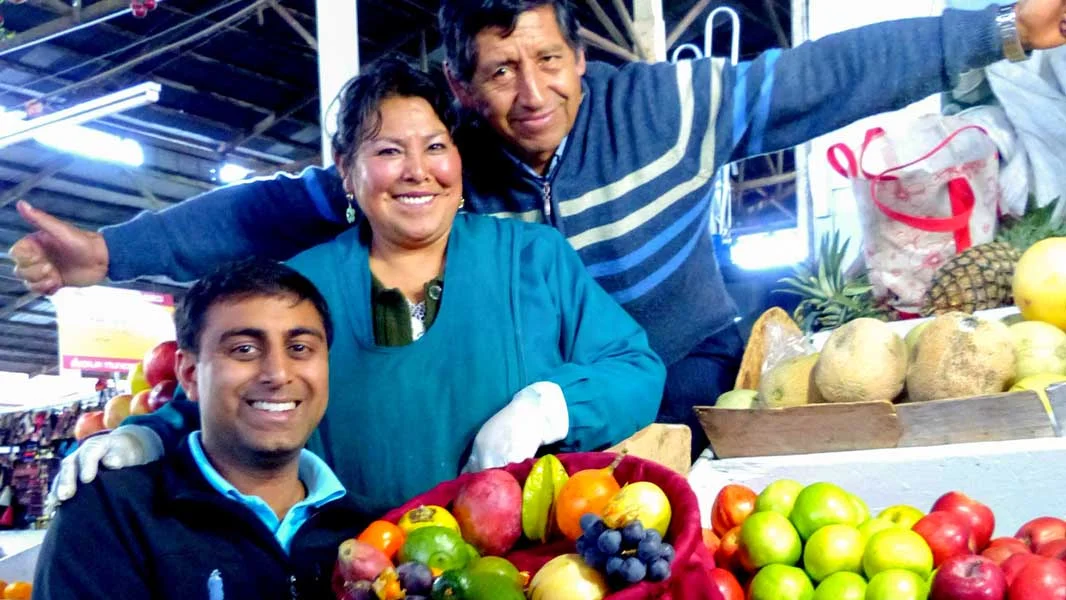
Thrill ’Em + Thrive teaches a human-first approach that helps businesses understand and act on the emotional needs of their customers. By blending empathy, insight, and intentional design, the framework allows brands to craft experiences that feel warm, intuitive, and deeply personal. It bridges the gap between data and emotion, giving you the tools to understand what truly matters to your audience. With this approach, loyalty becomes a natural byproduct of thoughtful, customer-centered interactions.
Turning Feedback Into Action
Feedback becomes powerful only when it leads to real change. Thrill ’Em + Thrive helps businesses build systems that capture insights and respond meaningfully. By taking suggestions seriously and integrating them into your evolution, customers feel valued, respected, and included.
Personalizing Experiences With Purpose
Rather than using generic templates, Thrill ’Em + Thrive teaches brands how to personalize experiences in ways that feel specific, heartfelt, and customer-driven. Purposeful personalization builds emotional depth, turning simple interactions into relationship-building moments.
Building Connection Through Storytelling
The framework emphasizes the art of storytelling to build emotional resonance. By sharing authentic stories about your mission, your team, or your customers, you create connection, trust, and a sense of shared identity. Storytelling helps customers see themselves in your brand, and that’s where loyalty begins.
Final Words on the Drivers of Customer Loyalty
In the end, customer loyalty isn’t magic; it’s the natural result of trust, consistency, connection, and experiences that make people feel genuinely valued. When you show up with empathy, clarity, and a desire to make your customers’ lives easier, they reward you with long-term commitment. And if you’re ready to take everything you've learned here and actually put it into action, Thrill ’Em + Thrive is your next step. Join the course today and get the business growth coaching that helps you turn everyday customers into lifelong fans.
FAQs About Customer Loyalty
What is the most direct cause of customer loyalty?
Trust is the most direct cause because customers stay loyal to brands that consistently deliver on their promises and make them feel confident and cared for.
What are the main types of loyalty?
The main types of customer loyalty are behavioral, emotional, and identity-based loyalty, each driven by distinct motivations for returning.
How can small businesses build loyalty without a big budget?
Small businesses can build loyalty through personalized communication, consistent service, genuine relationship-building, and thoughtful experiences that make customers feel appreciated.