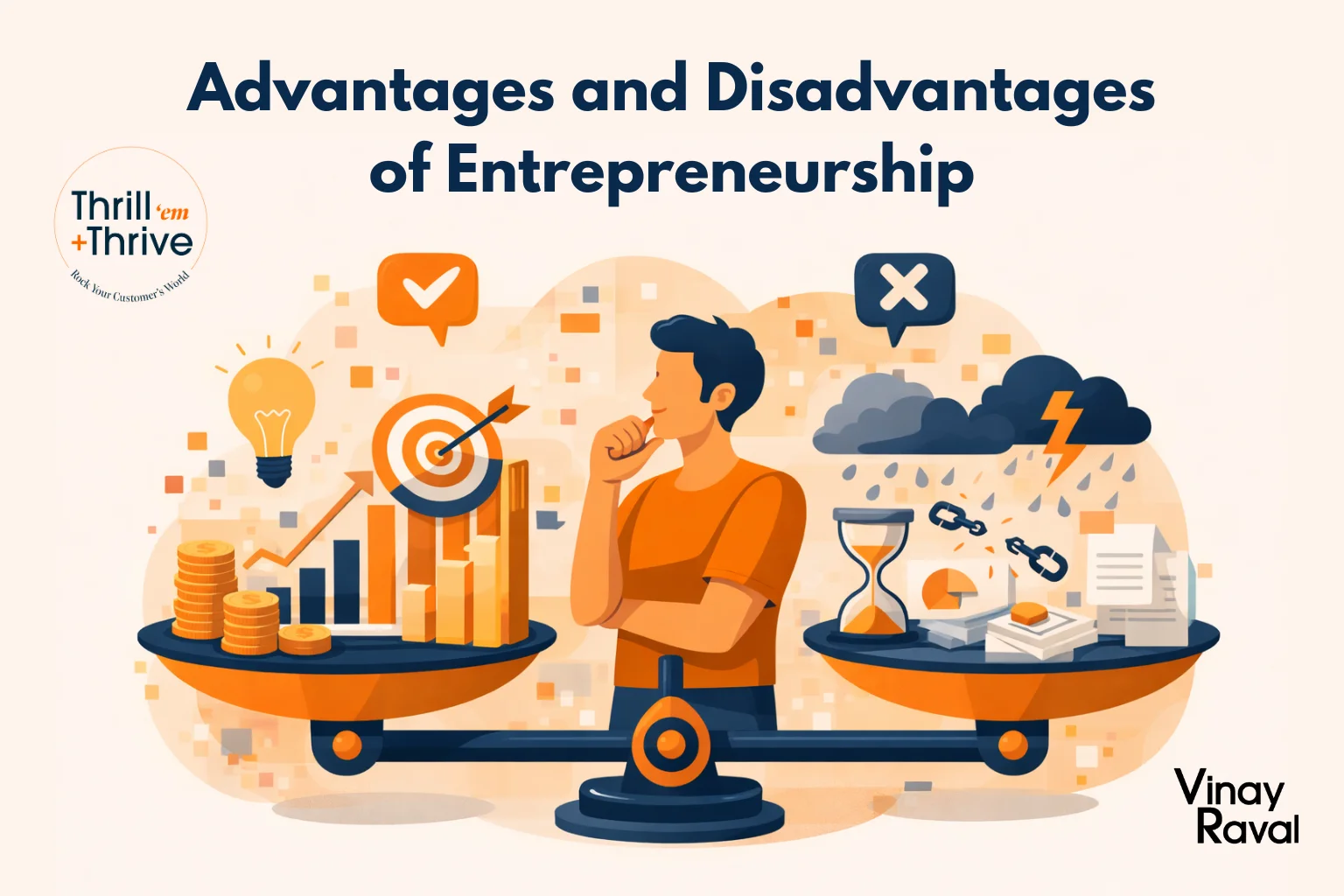
According to industry reports, there are about 582 million entrepreneurs worldwide as of 2026. That’s roughly 1 in every 14 people on the planet running their own business. With so many people pursuing this route, entrepreneurship is often romanticized. Work when you want. Be your own boss. Build something from scratch and watch it grow. Sounds amazing, right? But before jumping in, what are some advantages and disadvantages of entrepreneurship?
In this article, we’ll unpack the real upsides and challenges of building a business so you can move forward with clarity, confidence, and the right kind of support.
What Are the Advantages and Disadvantages of Entrepreneurship?
Entrepreneurship offers a unique mix of rewards and pressures that shape how people work, think, and grow. Understanding both sides helps clarify why some aspects attract ambitious builders while others require resilience, preparation, and strong systems. Let
The Advantages of Entrepreneurship
Entrepreneurship attracts people for a reason. However, the advantages aren’t just surface-level perks. They shape your lifestyle, your mindset, and even your identity. When structured properly, these advantages compound over time. The key is understanding what they truly require from you in return.
Freedom
Freedom in entrepreneurship isn’t just about waking up at 10 a.m. and working from a coffee shop. It’s about choosing your clients, setting your pricing, deciding your priorities, and designing your days on purpose. You’re no longer squeezing life around a job; instead, you’re building work around your life.
There is a twist, though. Real freedom doesn’t come from doing whatever you want. It comes from building systems that keep things running smoothly. Structure is what protects flexibility. When you get that balance right, freedom stops being a fantasy and starts becoming a lifestyle.
Income Potential
In a traditional job, your income usually grows in steps. In business, it can grow in leaps and bounds, but only if you build it strategically. There’s no salary cap, no promotion ladder, and no waiting for approval. The more value you create and the better you position it, the higher the upside.
Of course, it’s not automatic. Income growth is tied to your decisions, execution, and ability to solve real problems for people. For ambitious builders, that connection between effort and reward can be energizing. You’re not paid simply for time spent working; you’re rewarded for the impact you create.
Personal Growth
Entrepreneurship has a funny way of exposing both your strengths and your blind spots. It stretches you. It forces you to learn how to sell, communicate, negotiate, and lead—sometimes all in the same week.
You don’t just build a business; you build thicker skin, sharper thinking, and stronger confidence. Growth isn’t optional here; it’s built into the process. Over time, many entrepreneurs realize the biggest transformation isn’t just in revenue but in the person they’ve become.
Ownership
There’s something fundamentally different about building your own thing. You’re not clocking in to execute someone else’s vision, you’re creating your own. Ownership means you’re building an asset, not just earning a paycheck.
Your ideas, strategies, and calculated risks become tangible in the marketplace. And when it works, the pride hits differently. You’re not simply working in a business; you’re building something that can evolve, expand, and potentially outlive your direct involvement.
The Hard Truths About Entrepreneurship

While the upsides are attractive, entrepreneurship also demands emotional strength and strategic thinking. These challenges don’t mean entrepreneurship is flawed; they mean it requires preparation. Many people focus only on inspiration, while fewer prepare for pressure.
Responsibility is heavier than most people expect. When something breaks, you fix it. When revenue dips, you adjust. When a client leaves, you learn. There’s no safety net except the one you build. Recognizing these realities early makes it easier to navigate them intelligently instead of being caught off guard.
Income Instability
Let’s be honest, business income can feel like a rollercoaster, especially in the beginning. One month feels amazing, while the next might make you check your bank account more often than you’d like.
Unlike a steady paycheck, your revenue depends on demand, visibility, and the consistency with which you deliver value. That uncertainty can create stress if you’re unprepared. However, entrepreneurs who build savings buffers, track cash flow carefully, and develop multiple revenue streams often transform instability into something manageable rather than overwhelming.
Decision Fatigue
When you run a business, you’re often the marketing team, finance department, strategist, and customer support, sometimes all before lunch. Every choice, big or small, lands on your desk.
Questions constantly appear: What should you charge? Should you pivot? Is this opportunity worth pursuing? Without systems, even small decisions drain mental energy. Clear processes, defined priorities, and repeatable frameworks help protect your focus so your energy goes toward the decisions that actually move the business forward.
Mental and Emotional Overload
Entrepreneurship isn’t just practical; it’s personal. Wins feel incredible because they belong to you. But setbacks can feel equally intense.
When identity becomes too closely tied to results, a temporary dip in performance can feel bigger than it really is. Add comparison and unrealistic expectations into the mix, and the emotional load increases quickly. Learning to separate who you are from what happened this week becomes an essential skill for maintaining perspective and resilience.
Isolation
Working for yourself sounds exciting until you realize there’s no coworker to turn to when something goes wrong. No spontaneous brainstorming sessions. No built-in feedback loop.
For solopreneurs especially, decisions happen in your own head, and challenges can feel heavier without shared perspective. That’s why community matters so much. Mentors, peers, and mastermind groups help replace isolation with collaboration, providing insight, encouragement, and a reminder that the entrepreneurial journey doesn’t have to be navigated alone.
How You Can Turn Disadvantages Into Strategic Advantages
Entrepreneurship isn’t about eliminating the downsides; it’s about learning how to turn them into strengths. When you start to view and list the advantages and disadvantages of entrepreneurship as challenges to manage strategically, they become opportunities for growth rather than obstacles.
The pressure that overwhelms unprepared founders often sharpens the discipline of those who are prepared. Income instability can motivate smarter financial planning. Decision fatigue pushes entrepreneurs to build systems and processes. In many cases, the very challenges that seem like weaknesses become the skills that make a business stronger.
At the same time, every entrepreneur experiences these trade-offs differently. Ask ten founders about the pros and cons of entrepreneurship, and you’ll likely hear ten unique perspectives shaped by personality, lifestyle goals, and stage of business.
Entrepreneurship isn’t inherently better than traditional employment; it’s simply a different path. The key is recognizing the trade-offs early and learning how to turn them into strategic advantages that support both your business and your life.
RELATED: How to Turn Weakness Into Strength in Business
The Difference Between Chaos and Strategy in Entrepreneurship
From the outside, entrepreneurship can look unpredictable, but there’s a big difference between calculated risk and constant scrambling. Chaos happens when decisions are reactive, pricing is unclear, offers are vague, and systems are missing. Strategy happens when you design intentionally with clear positioning, structured planning, measurable targets, and repeatable processes.
Many founders feel overwhelmed not because entrepreneurship is broken, but because they’re operating without a framework to guide their decisions. The right guidance can change that. When you start learning how to structure your brand, clarify your offer, and build systems that support growth, guesswork begins to fade.
Strategy doesn’t remove effort, but it replaces confusion with direction and transforms scattered action into purposeful progress. Entrepreneurship will always require courage, but with the right support and a strategic perspective, courage gradually turns into confidence.
How to Decide if Entrepreneurship Is Right for You
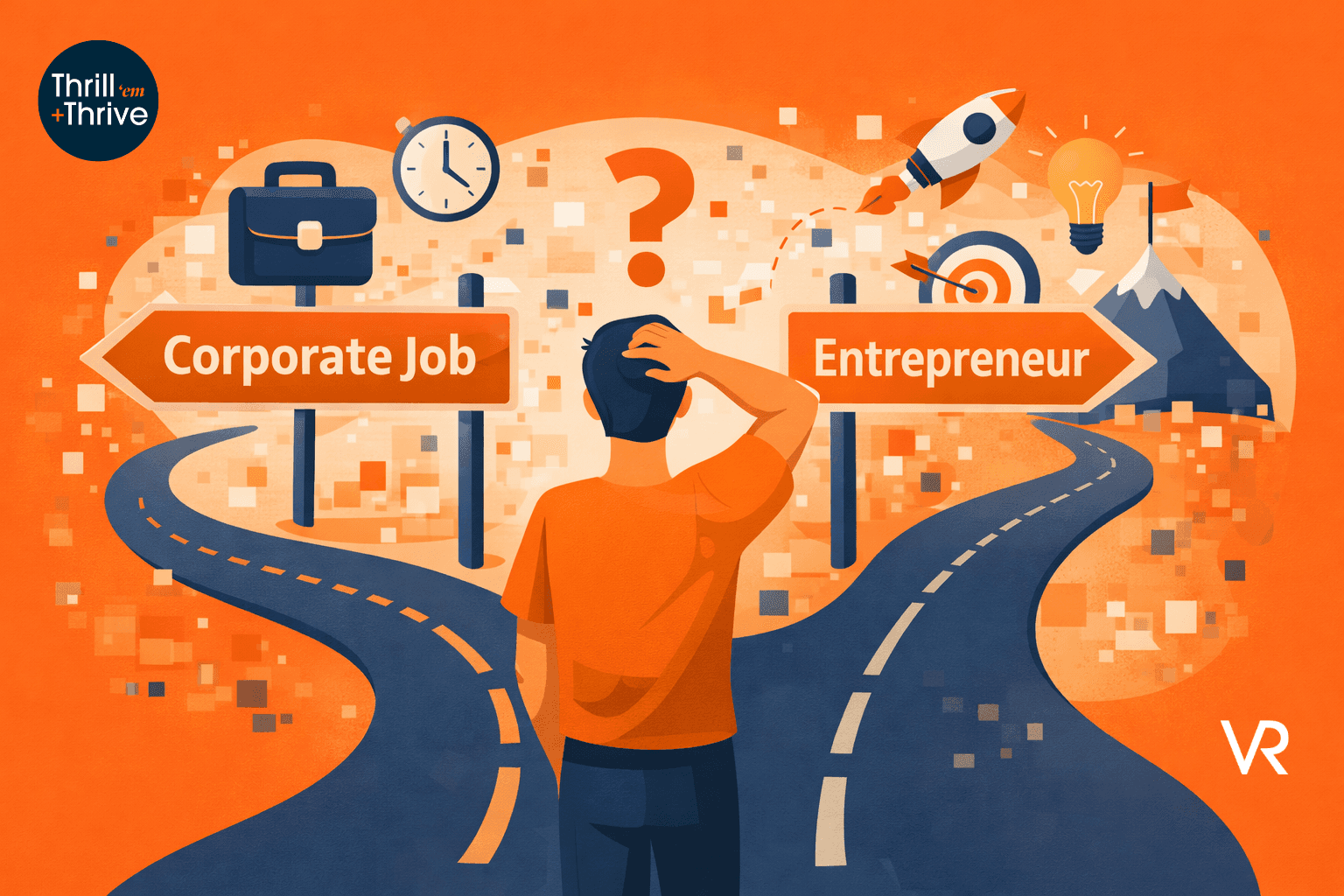
This question isn’t really about whether entrepreneurship is good or bad; it’s about whether it fits you. Some people thrive in the environment of uncertainty, autonomy, and responsibility that comes with building a business. Others prefer clear direction and predictable stability. Instead of asking, “Is entrepreneurship worth it?” a better question is, “Is this aligned with how I’m wired?”
Comfort With Uncertainty
One of the first things to consider is whether you’re comfortable operating without guarantees. Business rarely offers certainty, as markets shift, clients change, and results fluctuate over time. If unpredictability constantly creates anxiety, it’s important to acknowledge that before moving forward. Risk tolerance doesn’t mean recklessness; it means understanding that outcomes are influenced rather than guaranteed.
Freedom or Structure
Many people say they want freedom, but what they actually want is security with flexibility. Entrepreneurship offers autonomy, but it doesn’t automatically provide stability. Without an external structure, you must create your own systems, deadlines, and processes. If self-management is difficult, freedom can easily turn into procrastination rather than productivity.
Emotional Highs and Lows
Business is emotional because it’s personal. Wins feel incredible, but setbacks can challenge your confidence and test your resilience. Learning to separate your identity from your results is essential. A slow month doesn’t mean failure, and developing that perspective makes the entrepreneurial journey much easier to navigate.
Strengthen Your Entrepreneurial Mindset With Thrill ’Em + Thrive
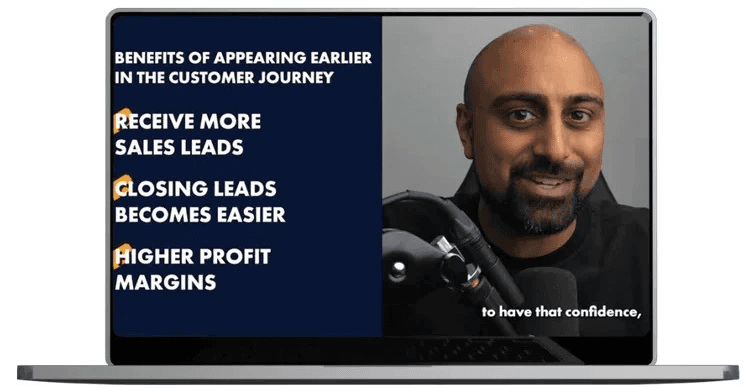
Entrepreneurship challenges more than your business skills; it challenges your mindset. The difference between constantly reacting to problems and confidently navigating them often comes down to how clearly you see your role as a builder, strategist, and leader. Thrill ’Em + Thrive helps entrepreneurs shift from survival thinking to intentional growth by focusing on clarity, customer empathy, and structured decision-making. Instead of guessing your way through business, you begin building with purpose.
The mindset shift becomes practical when you focus on a few core foundations:
Customer-First Thinking: Successful entrepreneurs build businesses around real human needs rather than assumptions. By understanding what customers truly value, you design products, experiences, and messaging that naturally attract the right audience.
Strategic Self-Awareness: Entrepreneurship forces you to recognize both your strengths and blind spots. When you understand how you think, work, and make decisions, you can design systems and strategies that support your natural style rather than fight against it.
Growth-Oriented Perspective: Challenges become easier to navigate when you view them as feedback instead of failure. This mindset helps entrepreneurs stay curious, adapt quickly, and continue improving their business model over time.
When these elements work together, entrepreneurship stops feeling chaotic and starts feeling intentional. Thrill ’Em + Thrive provides the structure and perspective that helps entrepreneurs grow with confidence while building businesses that truly resonate with their customers.
Final Thoughts on the Advantages and Disadvantages of Entrepreneurship
Entrepreneurship is exciting, empowering, and sometimes exhausting all at once. The advantages and disadvantages of being an entrepreneur often show up together: freedom comes with responsibility, income potential comes with risk, and personal growth often arrives through challenges. The key isn’t avoiding the difficult parts; it’s learning how to navigate them with the right mindset, structure, and strategy so the rewards outweigh the obstacles.
If you’re serious about building a business that thrives instead of constantly feeling like a struggle, guidance can make all the difference. The Thrill ’Em + Thrive course was designed to help entrepreneurs gain clarity, attract the right customers, and build strategies that turn effort into sustainable growth. If you’re ready to strengthen your entrepreneurial foundation and start growing with confidence, now is the perfect time to join the course and start leveling up your business with growth coaching.
FAQs About the Disadvantages and Advantages of Entrepreneurship
Are the advantages and disadvantages of an entrepreneur the same for everyone?
No. Personality, financial situation, life stage, and risk tolerance all influence how entrepreneurship feels. What energizes one person may exhaust another.
Is entrepreneurship riskier than employment?
Entrepreneurship carries financial risk, especially early on. However, employment also carries risks, including layoffs and limited control over income. The difference lies in who controls the variables.
Can you reduce the disadvantages of entrepreneurship?
Yes. Strategic planning, financial preparation, mentorship, systems, and emotional resilience significantly reduce many common challenges. Structure transforms chaos into clarity.
What skills help an entrepreneur succeed?
Successful entrepreneurs need strong decision-making, clear communication, and basic financial literacy to turn ideas into sustainable businesses. Just as important is resilience, the ability to stay steady, adapt, and keep moving when results fluctuate.