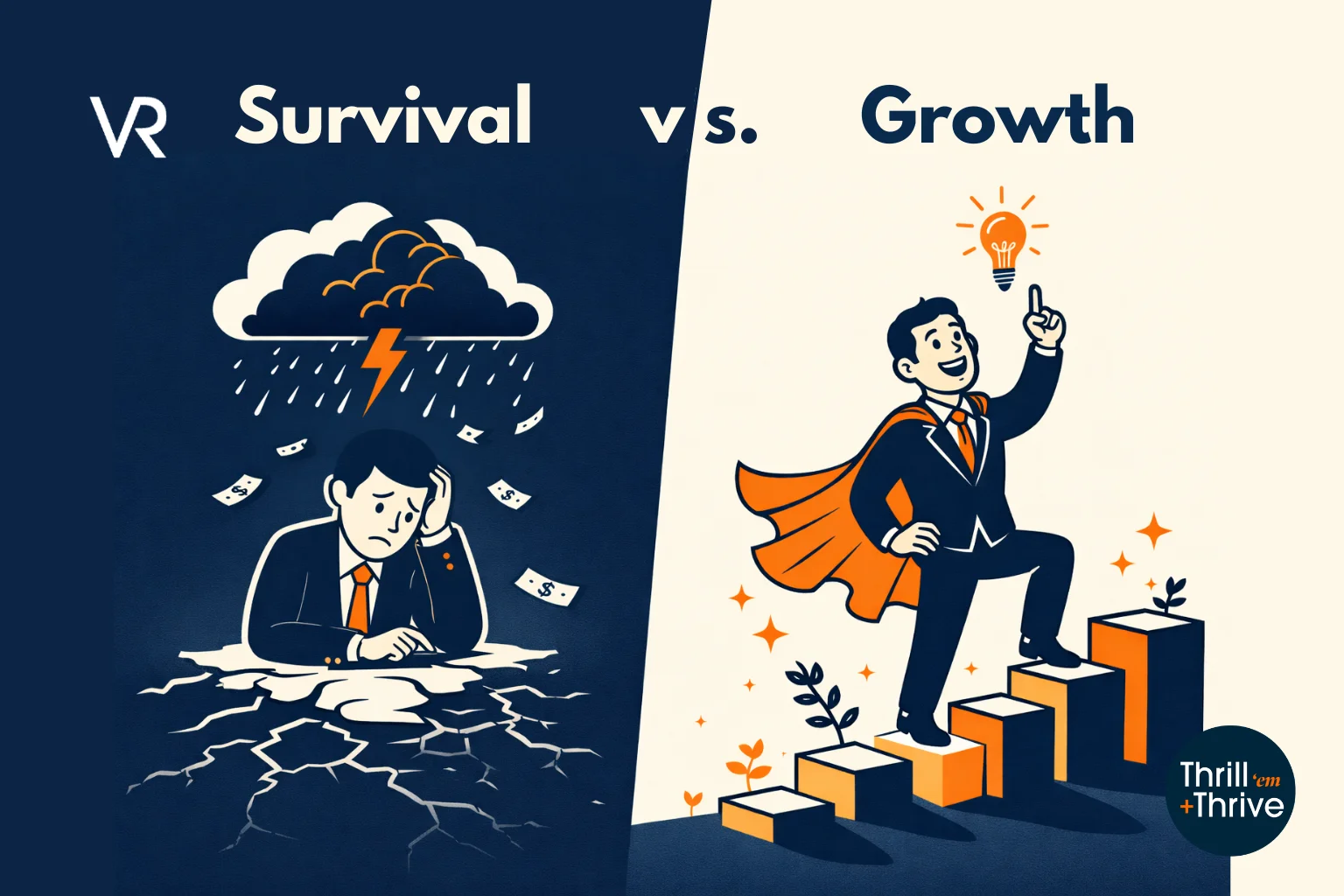
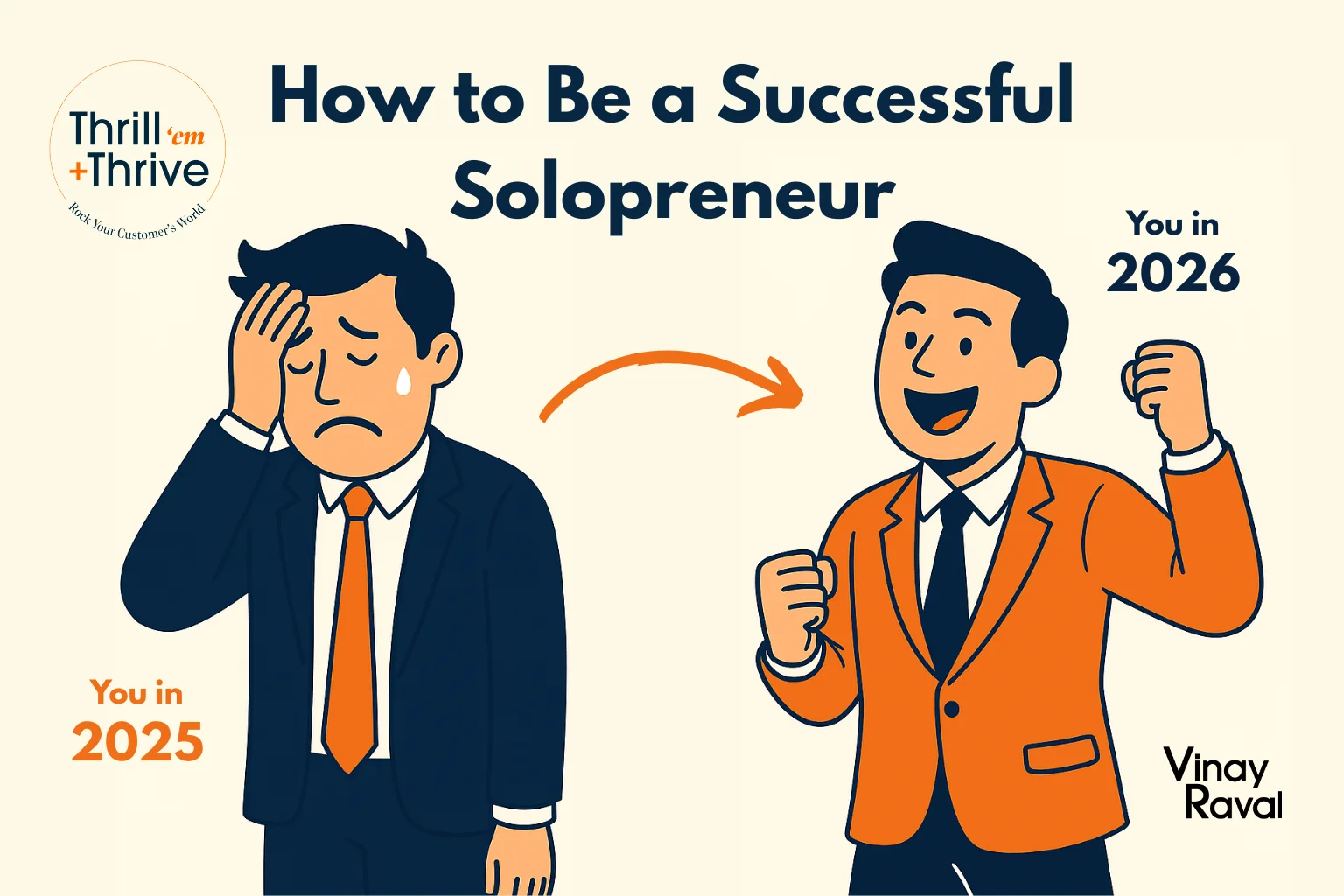
Ever feel like you’re working nonstop, but not actually building anything? Like you’re running hard just to stay in the same place? That tension you feel is the difference between a survival mindset vs growth mindset, and most entrepreneurs don’t even realize they’re choosing one every day. One mode keeps you reacting. The other helps you design intentionally. One keeps you chasing customers. The other helps you attract them by being clear, confident, and strategic.
In this post, we’re going to break down what separates survival from growth, and how you can intentionally make the shift.
Survival Mindset vs Growth Mindset: Are You Building or Just Coping?
At first glance, survival and growth can look similar. You’re busy in both. You’re making money in both. You’re solving problems in both. But the intention behind your decisions is completely different. Survival asks, “How do I get through this month?” Growth asks, “How do I make next month stronger than this one?”
When you’re coping, you react. You discount out of fear. You say yes to everyone. You avoid necessary investments because they feel risky. When you’re building, you’re strategic. You invest in brand clarity, customer experience, and long-term positioning. That’s exactly why a growth mindset is important for sustainable success: because it shifts your focus from immediate relief to intentional expansion.
The Psychology Behind Survival Mode
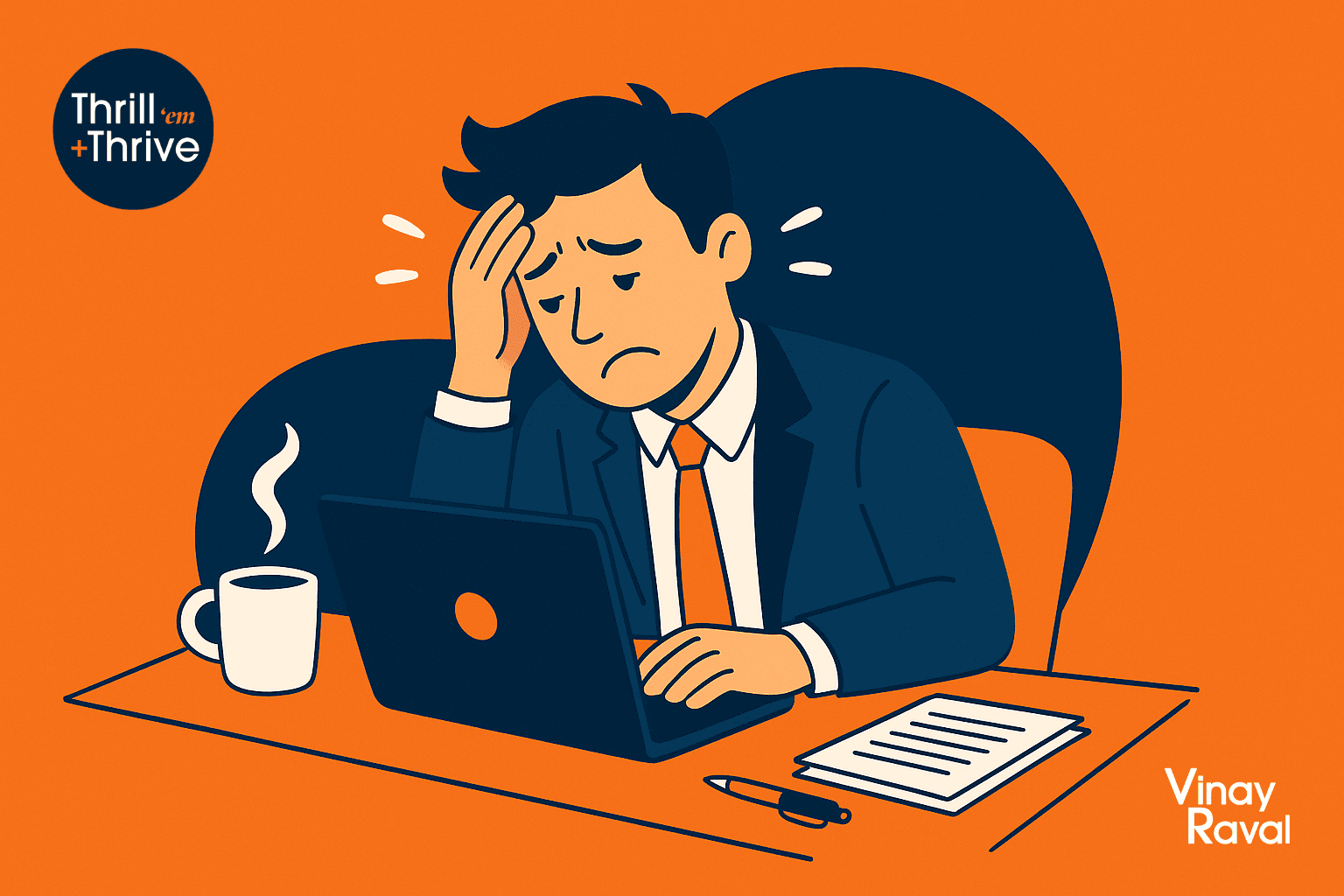
Survival mode is rooted in scarcity. When you feel pressure financially, emotionally, or competitively, your brain narrows its focus to whatever is immediately in front of you. That’s normal. It’s human. But when that heightened state becomes your default, it limits your ability to think long-term or creatively.
Scarcity thinking reduces your cognitive bandwidth. You stop experimenting. You avoid risk. You protect what little you have rather than expand it. Over time, this pattern leads to burnout and stagnation, even when revenue is technically coming in.
Why Is Having a Growth Mindset Important for Long-Term Success?
A growth mindset changes how you interpret challenges. Instead of seeing obstacles as threats, you treat them as information. Instead of fearing mistakes, you see feedback. That shift compounds over time in powerful ways:
Long-Term Thinking: You make decisions based on positioning, not panic.
Calculated Risk-Taking: You experiment strategically instead of playing small.
Continuous Improvement: You invest in skills, systems, and brand development.
When you consistently think this way, your business becomes more resilient and attractive. Growth doesn’t feel chaotic; it feels intentional. That’s the difference between surviving the market and shaping your place in it.
How to Get Out of Survival Mode: A Simple Step-by-Step
Getting out of survival mode doesn’t happen because business “slows down” or because you finally feel ready. It happens when you intentionally shift how you think, decide, and invest.
Step 1: Admit You’re Stuck in Survival Mode
You can’t change what you won’t name. If most of your decisions are driven by urgency, fear of losing clients, or constant pressure to “just make it through,” that’s survival mode talking. Admitting it isn’t weakness; it’s clarity, and clarity is the first real move toward growth.
Step 2: Define Who You Actually Are (Your A.B.C.)
If you don’t know what makes your brand unique, you’ll keep adjusting yourself to match whoever is in front of you. Your Authentic Brand Concept (A.B.C.) is your anchor; it’s the trait that makes you memorable and magnetic. When you define it clearly, you stop pandering and start attracting the right people.
Step 3: Stop Making Fear-Based Decisions
Fear-based decisions usually feel urgent and justified in the moment. They show up as unnecessary discounts, rushed launches, or saying yes to misaligned clients. Slowing down long enough to ask, “Is this strategic or just reactive?” changes the trajectory of your business over time.
Step 4: Reinvest in Growth (Even If It’s Small at First)
Growth requires fuel. That might mean upgrading your brand, improving your product, investing in marketing, or strengthening your skills. Even small reinvestments signal a shift from protecting what you have to building something better.
Step 5: Choose Humility Over Ego
Ego tells you everything is fine and that the market just “doesn’t get it.” Humility asks tougher questions about your positioning, your offer, and your execution. When you choose humility, you open the door to honest improvement, and that’s where real momentum begins.
Thrill ’Em + Thrive: Build a Business That Attracts, Not Chases
The Thrill ’Em + Thrive approach is built on moving from survival hustle to strategic attraction. It’s not about grinding harder. It’s about building smarter. Instead of chasing transactions, you design experiences that make customers want to come back and bring others with them.
Here’s how the framework supports real transformation:
Authentic Brand Concept: You clarify your single most attractive trait and build your brand around it. This creates consistency and trust that compounds over time.
Empathy-Driven Strategy: You understand your customers’ immediate needs and deeper desires. That insight allows you to create experiences that truly resonate.
Sensory and Emotional Activation: You design touchpoints that customers feel, not just see. When people feel something, they connect deeper, return more often, and gladly pay for the value you deliver.
The course provides numerous examples of a growth mindset and how far it can get you. When you stop chasing and start attracting, growth becomes sustainable. That’s the heart of Thrill ’Em + Thrive.
Final Thoughts on Making the Mindset Shift for Good
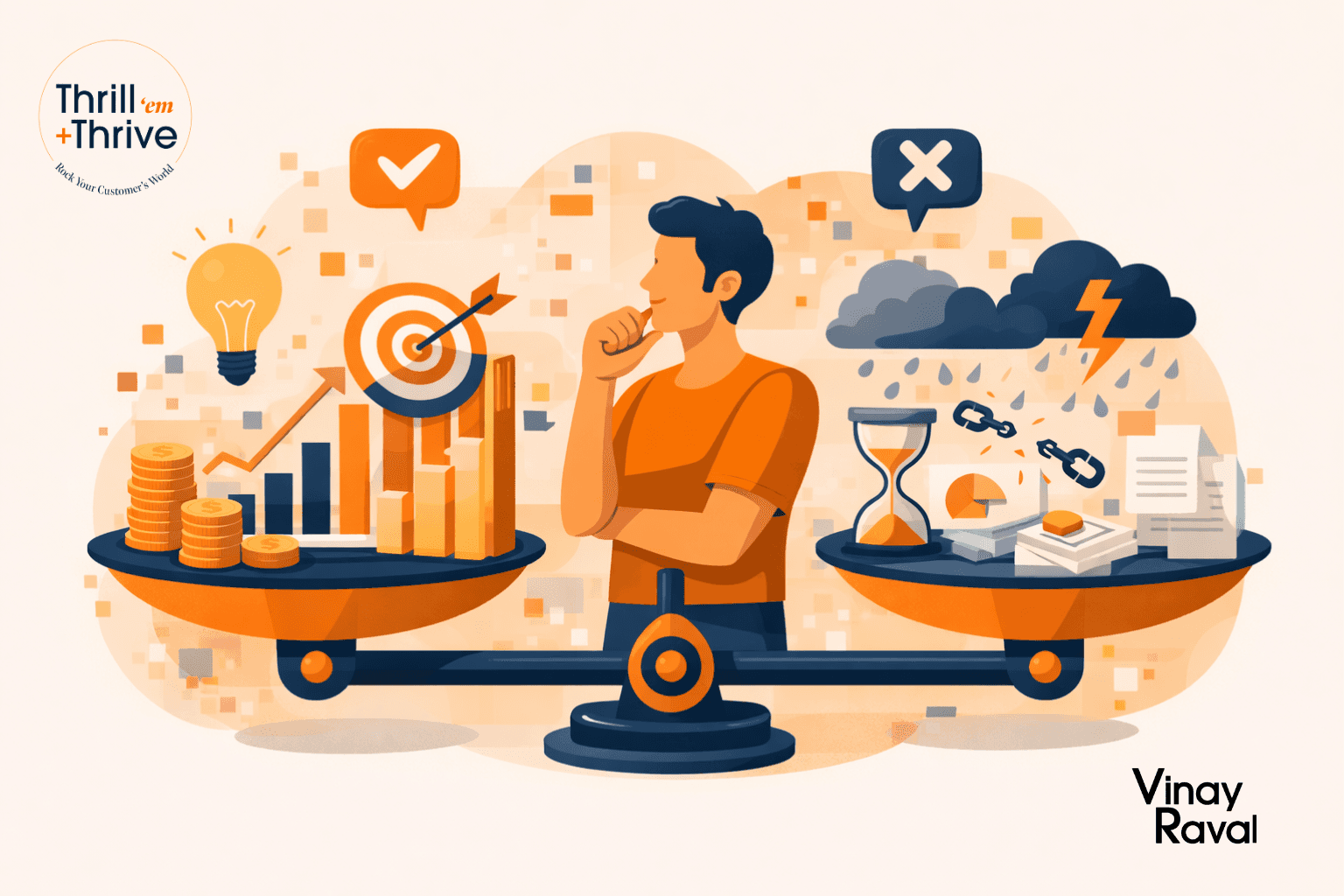
So, why is a growth mindset important? Because it changes how you make decisions. It shifts you from reacting to building, from protecting to expanding, from coping to creating. We covered the psychology of survival mode, the value of long-term thinking, and the practical steps to move forward.
If you’re ready to stop grinding in circles and start building with clarity, this is your moment. Invest in business growth coaching through Thrill ’Em + Thrive and design a business that actually thrills your customers, and helps you thrive.
FAQs About the Survival vs Growth Mindset
Can a business grow if the owner has a survival mindset?
It may grow temporarily, but without a long-term strategy and reinvestment mindset, that growth is rarely sustainable.
How do I know if I'm in survival mode?
If most of your decisions are driven by urgency, fear, or short-term cash flow, you’re likely operating in survival mode.
Constantly discounting prices
Saying yes to everyone
Avoiding necessary investments
Feeling burned out and reactive
How does a growth mindset improve resilience?
A growth mindset improves resilience by reframing setbacks as feedback, allowing you to adapt, learn, and strengthen instead of retreating under pressure.
Feb 13, 2026
Business strategy doesn't have to be boring! Your business has the power to spread joy and change the world! Let's unleash your potential - we got this!