Ever wonder why some marketing feels instantly relatable while other campaigns barely register? The difference usually isn’t budget, tech, or creativity; it’s whether the message aligns with how people actually think, feel, and decide. Emotions, habits, context, and past experiences shape responses far more than clever messaging alone, which is exactly how consumer behavior can impact marketing strategies in real, measurable ways.
This post breaks down how consumer behavior shapes marketing decisions at every stage, why customers choose one brand over another, and how you can use these insights to grow smarter, not louder.
Why Consumer Behavior Matters in Marketing
Consumer behavior matters because marketing is only effective when it reflects how people actually make decisions, not how we assume they should. Buyers are influenced by emotions, habits, social cues, and past experiences long before logic steps in, which means successful marketing must account for both feeling and function.
When brands understand the consumer motivation and experiential buying behavior relationship, they can design messages and customer experiences that feel relevant instead of forced. This leads to stronger engagement, higher trust, and marketing strategies that connect on a human level rather than relying on volume or pressure.
How Consumer Behavior Can Impact Marketing Strategies at Every Stage
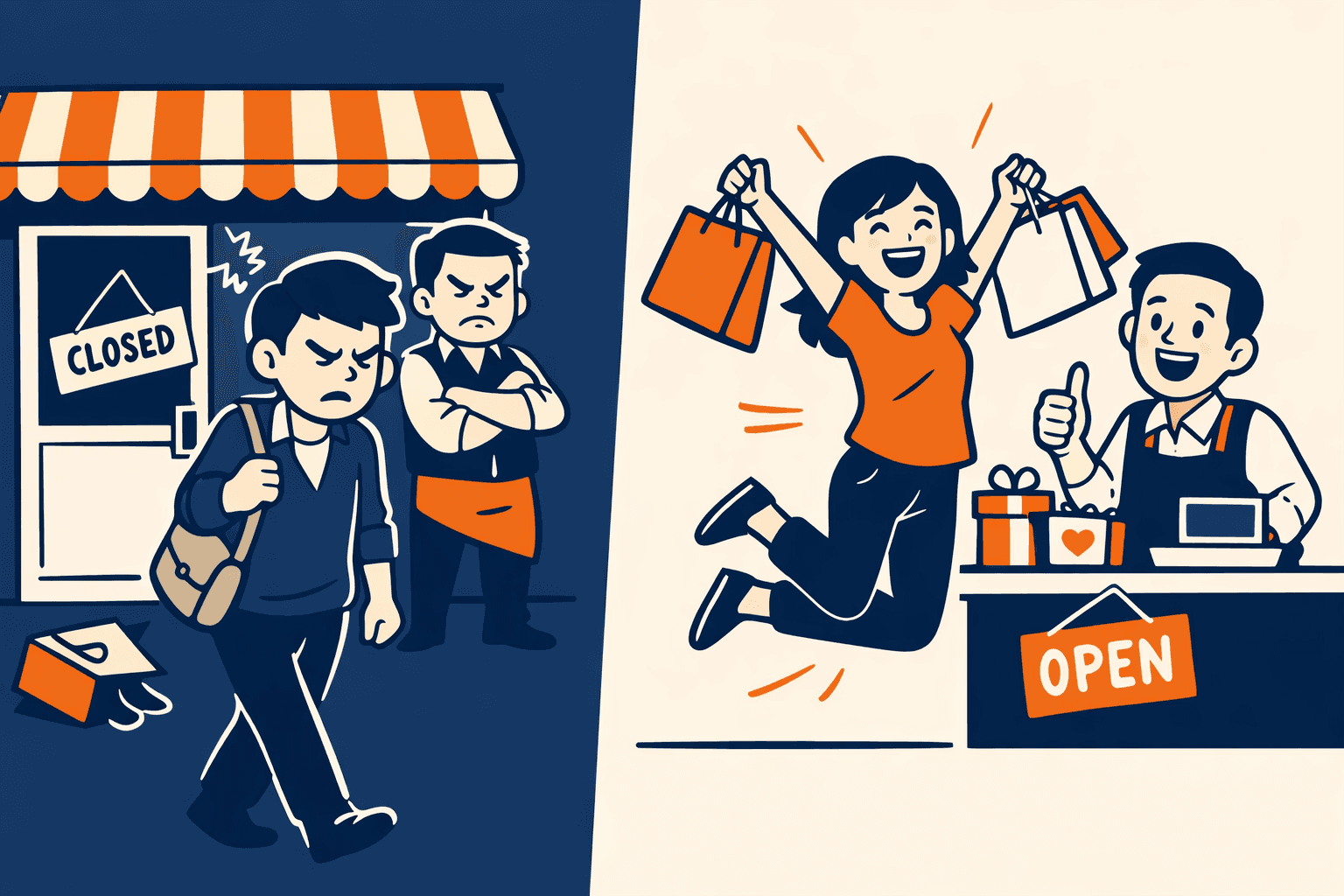
Consumer behavior shapes marketing from the first moment of awareness to long after a purchase is made. People don’t move through the buying journey in a straight line, and their responses change based on mood, context, and confidence. When marketing aligns with real shopper behavior, it feels supportive instead of intrusive.
At the awareness stage, behavior determines what earns attention and what gets ignored. Emotional relevance, timing, and familiarity often matter more than the message itself. Then, as people begin evaluating options, their behavior shifts toward reassurance and comparison, making clear positioning and easy-to-understand value critical.
After weighing the options, buyers enter the purchase decision stage. This is where confidence, trust, and perceived risk either move someone forward or stop them short. Small details such as clear pricing, social proof, frictionless checkout, and reassurance often determine whether intent turns into action.
After the sale, behavior continues to influence marketing outcomes. How customers feel about the experience affects loyalty, referrals, and long-term brand perception. When strategies support each stage intentionally, marketing becomes a relationship, not just a transaction.
Reasons Why Customers Choose One Brand Over Another
Customers rarely choose brands based solely on logic. Their decisions are shaped by subtle signals, emotions, expectations, and lived experiences that connect with their unique consumer characteristics. These influences work together long before a purchase, quietly guiding preferences and confidence in one direction.
Emotional Connection
People are drawn to brands that make them feel understood, supported, or inspired. When a brand reflects a customer’s values or emotional state, it creates familiarity and comfort, reducing hesitation. That emotional resonance often becomes the deciding factor when options look similar on paper.
Problem Fit
A brand wins when it clearly solves the specific problem a customer is trying to fix right now. This clarity makes the decision feel easier and more obvious, even if alternatives exist. When customers see themselves in the solution, they move forward with confidence.
Perceived Value
Expectations, context, and outcomes shape value, not just price. Customers assess whether the benefit is “worth it” based on how well the offer aligns with their needs and priorities. Strong perceived value lowers resistance and increases satisfaction after the purchase.
Trust and Credibility
Trust grows from consistency, transparency, and proof. Reviews, testimonials, clear messaging, and reliable experiences signal safety to buyers who want to avoid regret. Without credibility, even great offers struggle to convert.
Quality of Experience
Every interaction influences how a brand is remembered, from the first touchpoint to post-purchase follow-up. Ease, responsiveness, and thoughtful details shape perception long after the transaction ends. A positive experience strengthens loyalty and increases the likelihood of repeat business.
Learn to Understand the People Behind the Data with Thrill ’Em + Thrive
Most businesses collect data, but far fewer understand the humans driving it. Thrill ’Em + Thrive is a business course that helps bridge that gap by turning insight into action through a human-first approach that connects behavior, emotion, and experience. Instead of relying on surface-level metrics, the program shows how to interpret patterns and motivations using real-world customer behavior research.
At the core of the Thrill ’Em + Thrive approach:
Human-Centered Strategy: Learn how to align messaging and offerings with real motivations rather than assumptions. This creates stronger relevance and attracts customers who actually resonate with your brand.
Experience-Led Thinking: Understand how small experiential details influence trust, memory, and loyalty. Experiences become a strategic advantage instead of an afterthought.
Practical Frameworks: Use clear, repeatable tools to analyze behavior and apply insights without overcomplicating the process. Strategy stays actionable and grounded.
Led by Vinay Raval, Thrill ’Em + Thrive equips you to stop guessing, start listening, and build marketing that connects on a genuinely human level.
Final Words on the Impact of Consumer Behavior in Marketing
When you understand how people think, feel, and decide, marketing stops being a shot in the dark and starts feeling intentional. Consumer behavior shapes everything, from what grabs attention and builds trust to what drives loyalty and word-of-mouth, making it the foundation of every effective strategy. The brands that win aren’t louder; they’re better aligned with real human behavior.
If you want to turn these insights into action and build experiences customers actually want to engage with, Thrill ’Em + Thrive gives you hands-on business growth coaching rooted in real-world behavior, not theory. It’s time to stop guessing and start growing with clarity and confidence.
FAQs About Consumer Behavior in Marketing Strategies
What are the different types of consumers, and how do they actually buy?
Some consumers research heavily and compare options, while others buy out of habit or seek novelty and change. Understanding these patterns helps brands tailor their messaging, timing, and experiences to align with how decisions are made.
What makes a brand feel more trustworthy?
Consistency, transparency, and social proof all contribute to trust. When a brand communicates clearly and follows through on its promises, confidence builds naturally over time.
Why do people sometimes buy impulsively?
Impulse purchases are often driven by emotion, urgency, or a perceived opportunity. Context, mood, and timing can override logic in moments where friction feels low.
What causes buyers to hesitate before purchasing?
Hesitation usually comes from uncertainty around value, risk, or fit. Clear information, reassurance, and a smooth experience help reduce doubt and move decisions forward.
Feb 13, 2026

Business strategy doesn't have to be boring! Your business has the power to spread joy and change the world! Let's unleash your potential - we got this!