Buying decisions rarely happen the way we think they do. We like to think we compare features, weigh options, and make calm, logical choices, but in reality, our feelings grab the steering wheel way earlier than we’d like to admit. That little gut feeling, the sense of comfort, the spark of excitement? That’s doing most of the work. So yes, decisions feel rational on the surface, but what are the emotional drivers of purchasing decisions that actually push people to pull out their credit card?
That’s what this blog post breaks down: why emotion wins, how it shows up at every stage of the buying journey, and how understanding it can completely change how you sell, market, and grow, especially if your goal is to get more clients authentically.
By the end, you’ll understand the seven emotional forces behind buying decisions and how to design your business to work with them instead of fighting them.
Key Takeaways: Emotional Drivers of Purchasing Behaviors
Emotion is the Foundation of Decisions: Buying decisions rely on emotion to handle uncertainty and complexity, with logic stepping in afterward to justify what already feels right.
Reassurance Reduces Resistance: Validation through reviews, experts, and social proof replaces doubt with trust and momentum.
Fear Slows or Forces Decisions: Anxiety created by confusion or overload leads to hesitation, avoidance, or rushed regret-driven choices.
Fulfillment Fuels Loyalty: When purchases support identity, status, ease, enjoyment, or meaning, customers stick around and advocate naturally.
Thrill ’Em + Thrive Turns Emotion Into Strategy: This business strategy course helps business owners apply emotional insight to product design, marketing, and experience creation so customers feel aligned, confident, and eager to buy.
What Makes Emotions the Driving Force Behind Purchases
Emotions aren’t a bonus layer on top of decision-making; they’re the foundation of it. Research across psychology, neuroscience, and consumer behavior shows that when emotions are impaired, people struggle to make decisions at all. Logic alone can’t handle complexity, uncertainty, or risk, so emotions step in as shortcuts, guiding people toward what feels safe, exciting, meaningful, or right. This is why two products with similar features can perform wildly differently depending on how they make customers feel.
The 7 Emotional Drivers of Purchases
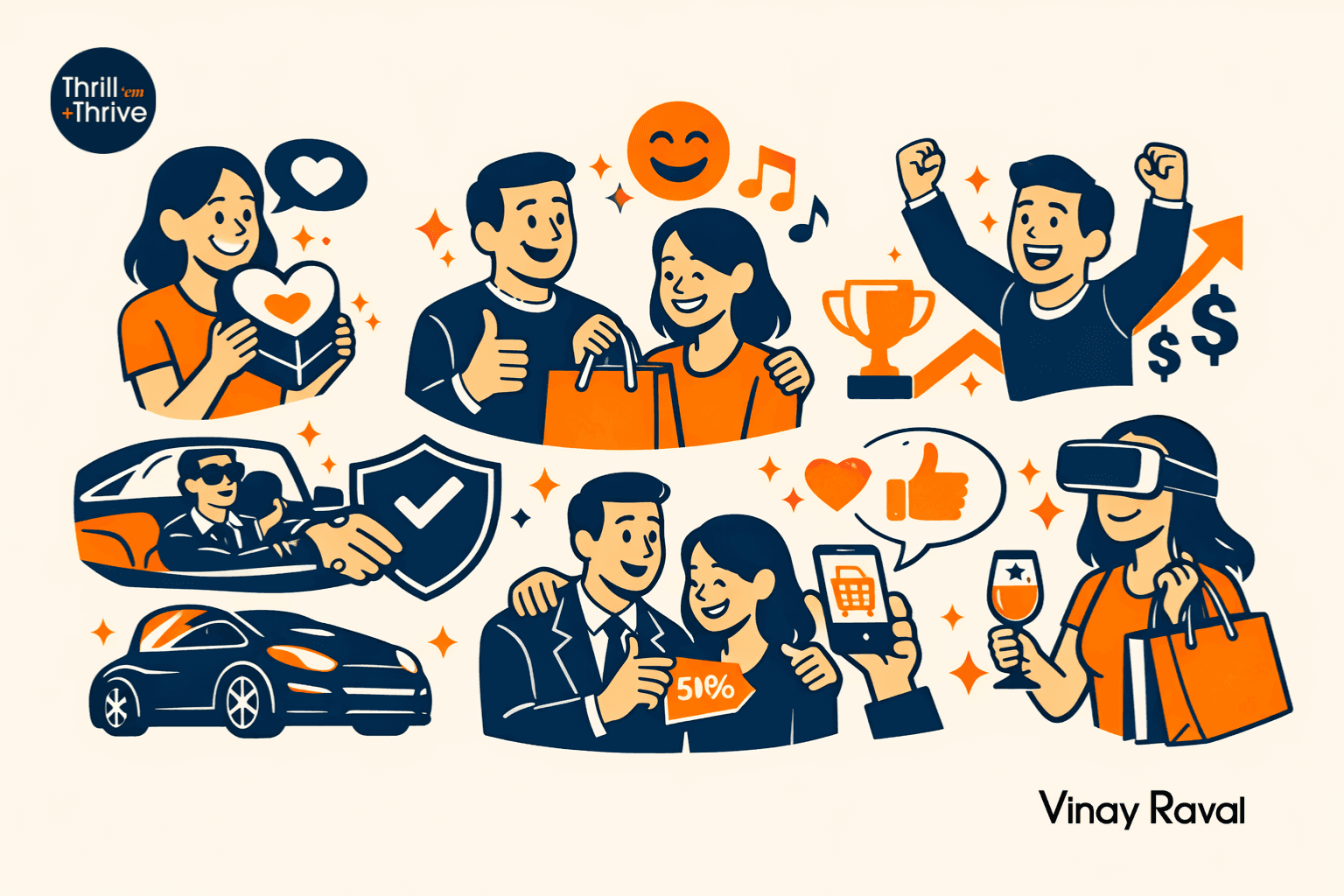
Every purchase carries emotional weight, whether it’s a cup of coffee or a major investment. These seven drivers show up again and again across industries, price points, and customer types, shaping how people choose, justify, and remember what they buy. Some feel subtle, others obvious, but together they explain why buying decisions are rarely neutral.
Validation and Reassurance
People want to feel confident they’re making the “right” choice, especially when risk or uncertainty is involved. Validation comes from reviews, testimonials, expert opinions, and seeing others like them make the same decision. When customers feel reassured, hesitation drops and trust takes its place.
Fear and Anxiety
Fear shows up as worry about wasting money, making a mistake, or choosing something that won’t live up to expectations. Too many options or unclear messaging increases anxiety, which often leads to decision paralysis, or rushed choices followed by regret. Reducing fear is less about persuasion and more about clarity, simplicity, and emotional safety.
Identity and Self-Image
Buying is deeply tied to how people see themselves and how they want to be seen. Purchases reinforce identity, such as competence, creativity, success, thoughtfulness, rebellion, or refinement. When a product aligns with someone’s self-image, it feels natural to buy, even if it costs more.
Status and Recognition
Some purchases are about standing out, being noticed, or feeling important. Status-driven buyers are drawn to exclusivity, personalization, and signals of distinction, which is why emotional drivers in branding play such a powerful role in shaping loyalty and advocacy. When a brand makes customers feel special, they often become its loudest promoters.
Ease and Relief
Mental energy is expensive, and many buyers are simply looking for relief. Convenience, speed, and simplicity can outweigh price or features when people feel overwhelmed. A smooth customer experience doesn’t just save time; it creates emotional calm, which is incredibly persuasive.
Fun and Excitement
For many people, shopping is entertainment. Curiosity, discovery, surprise, and delight activate dopamine, making the experience enjoyable and memorable. Brands that spark excitement are easier to remember and harder to ignore.
Meaning and Fulfillment
Some purchases go deeper than utility or pleasure; they help people feel aligned with their values or purpose. When buying supports self-worth, contribution, or emotional fulfillment, customer loyalty skyrockets. These customers aren’t just buying a product; they’re buying how it makes them feel about themselves.
How Emotions Show Up Across the Buying Journey
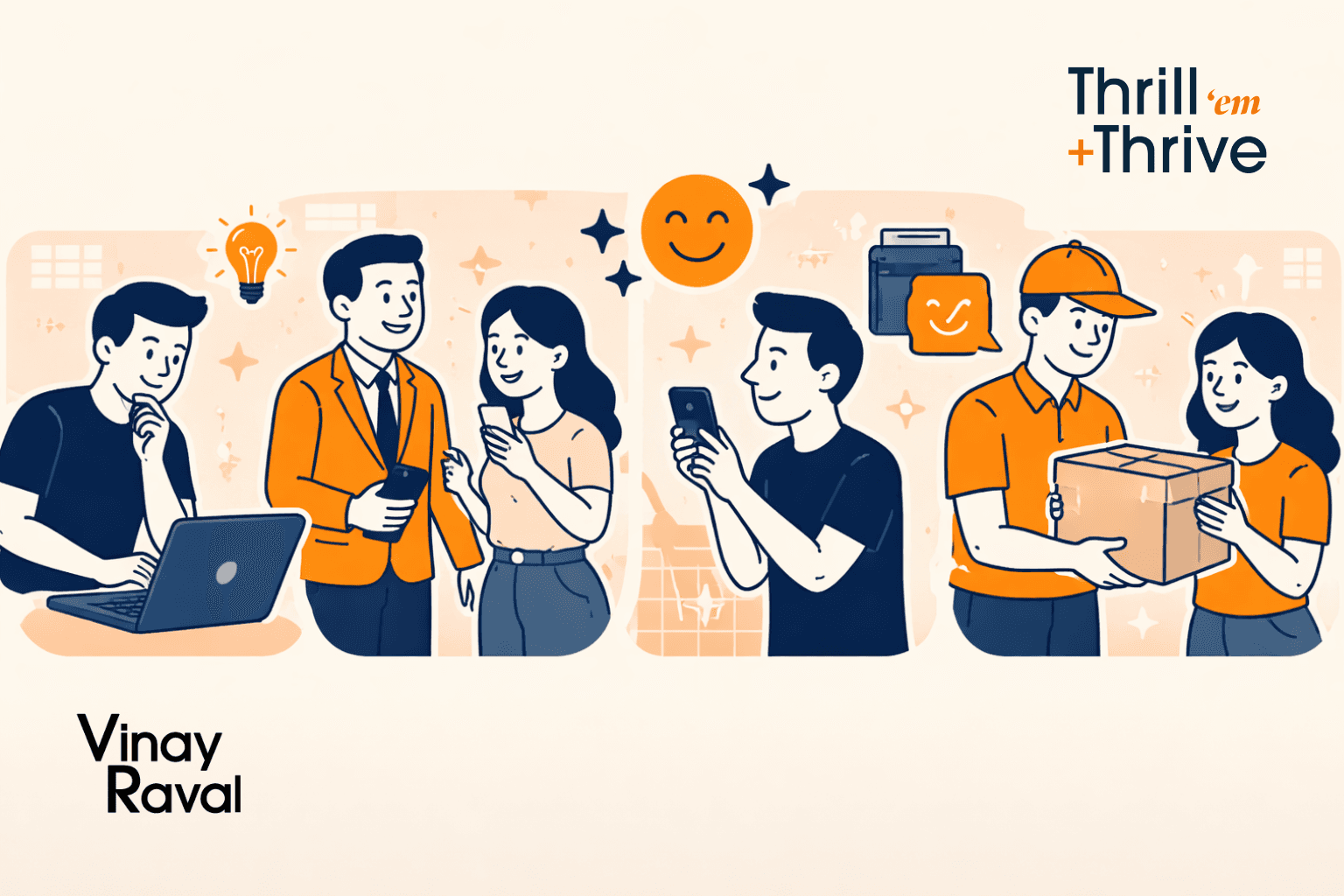
Emotions don’t wait until checkout to show up; they quietly guide customers from the very first moment of awareness through long after a purchase is made. At each stage of the buying journey, feelings like curiosity, doubt, relief, and pride influence whether someone keeps moving forward or drops off entirely.
Understanding these emotional shifts helps businesses design experiences that feel supportive rather than pushy, and intuitive rather than overwhelming. When you meet customers emotionally at each step, decisions feel easier and more natural.
Here’s how emotion shows up step-by-step across the buying journey:
Awareness: This is where curiosity and skepticism collide. A customer notices a brand or offer and quickly decides (emotionally) whether it feels relevant or safe enough to pay attention to.
Interest: At this stage, emotional resonance kicks in. People start asking themselves, “Is this for someone like me?” and “Do I feel understood here?”
Consideration: Comparison brings self-doubt and uncertainty. Customers weigh options while emotionally trying to avoid regret, embarrassment, or making the “wrong” choice.
Evaluation: Logic shows up, but emotion is still in charge. Reviews, testimonials, and expert opinions help calm anxiety and provide reassurance that feelings are justified.
Decision: Tension peaks right before buying. Fear of loss, excitement, and anticipation all compete until one emotional signal finally tips the scale.
Purchase: Relief replaces stress almost immediately. The emotional weight of deciding lifts, and confidence sets in before logic explains why the purchase made sense.
Post-Purchase Reflection: Customers assess how the decision makes them feel about themselves. Satisfaction or remorse here determines trust and future behavior.
Loyalty and Advocacy: When emotional expectations are met or exceeded, pride and a sense of belonging emerge. Customers return, recommend, and emotionally connect with the brand.
When businesses design for these emotional moments, not just the transaction, they reduce friction, increase confidence, and build customer relationships that last far beyond a single sale.
How to Win Over Emotionally-Driven Buyers
Winning emotionally-driven buyers isn’t about clever persuasion or louder messaging; it’s about designing experiences that feel supportive, intentional, and human. When you understand how emotion shapes decision-making at every stage, you can guide people forward in a way that feels natural rather than forced, which is where the following principles come into play.
Understand Emotional Needs
Buyers are rarely solving just a functional problem; they’re trying to feel more confident, less stressed, validated, or aligned with who they believe they are. When you recognize and address these underlying feelings, your offer stops sounding generic and starts feeling personally relevant.
Remove Fear And Friction
Fear thrives in uncertainty, complexity, and choice overload, which is why anxiety is one of the biggest blockers to buying. Clear messaging, simplified options, and transparent expectations help calm that emotional noise and restore confidence. When friction is removed, buyers don’t feel pushed; they feel safe enough to make a decision.
Design For Identity and Trust
People choose brands that reinforce how they see themselves or how they want to be perceived, making identity a powerful emotional driver. Every touchpoint, from visuals to tone to pacing, should signal understanding, consistency, and care. Trust is built when customers sense that your brand respects their emotions as much as their wallet.
Learn to Thrill ’Em + Thrive Your Way Into Emotional Buy-In
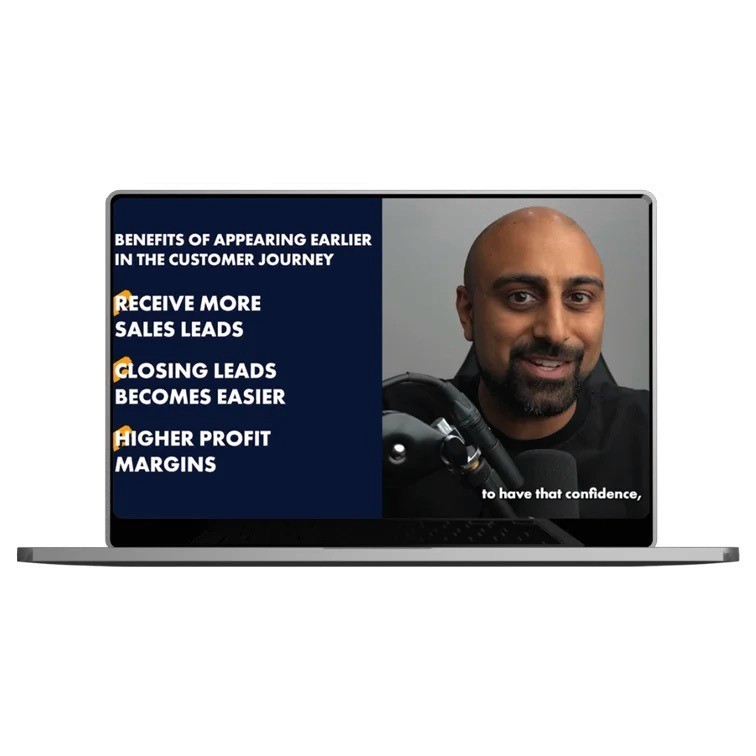
Thrill ’Em + Thrive is built on the idea that business growth happens when empathy turns into action. Instead of chasing customers, the framework helps you attract the right ones by understanding their emotional needs, then designing products and experiences that feel aligned, intentional, and human.
Through real-world examples and practical exercises, the course shows how creativity and consideration become competitive advantages. You learn how to optimize offerings so they’re harder to copy, easier to sell, and more emotionally resonant. This is where emotional drivers in advertising, branding, and experience design come together into a cohesive strategy.
Rather than guessing what customers want, Thrill ’Em + Thrive teaches you how to listen, observe, and design from empathy. The result isn’t louder marketing; it’s better alignment, stronger loyalty, and customers who genuinely want to buy from you.
Final Takeaway: Design for Feeling, Not Just Function
People don’t buy because something works; they buy because it feels right. Validation, fear, identity, status, relief, fun, and meaning all shape decisions long before logic comes into play. When businesses stop treating emotion as a soft skill and start treating it as a strategy, everything changes, from marketing clarity to product design to customer loyalty.
If you’re ready to stop chasing and start attracting, Thrill ’Em + Thrive gives you the tools, frameworks, and mindset to build a business people feel connected to. Invest in business growth coaching today and start designing every aspect of your business to thrill your customers!
FAQs About Drivers of Emotional Purchasing Behaviors
How do specific emotional states affect shopping habits?
Different emotional states shape how people move through the buying journey: curiosity sparks exploration, anxiety slows decisions or causes hesitation, reassurance builds confidence, and emotional relief often seals the final “yes.”
Why do people buy based on emotion instead of logic?
People buy based on emotion because feelings help them navigate uncertainty and complexity quickly, while logic mainly shows up afterward to justify a decision that already feels right.
What are the most common emotional triggers in marketing?
The most common emotional triggers include trust, fear reduction, identity alignment, belonging, and relief, which brands should uncover and apply to influence confident purchasing decisions.
FAQs About Thrill 'Em + Thrive
How does the course approach buyer psychology?
Thrill ’Em + Thrive approaches buyer psychology by teaching solopreneurs how to deeply understand customers’ emotional needs, decision-making patterns, and identity-driven motivations, then design products and experiences that align with how people actually choose, not how we assume they do.
How does the course connect emotion to strategy?
The course connects emotion to strategy by turning empathy into action through product optimization, experience design, and positioning frameworks that use creativity and consideration to drive attraction, loyalty, and sustainable growth.
What makes this different from other business courses?
Unlike tactic-heavy or theory-only programs, Thrill ’Em + Thrive blends real-world examples, human psychology, and practical implementation to help business owners build emotionally resonant brands that are harder to copy and easier to choose.
Feb 13, 2026

Business strategy doesn't have to be boring! Your business has the power to spread joy and change the world! Let's unleash your potential - we got this!